

Be Ready When the Media Calls
Practical media training for executives, leaders, subject matter experts and company spokespeople who need to represent their organisation clearly and confidently in interviews.
Prepare your key messages, practise realistic questions and develop the skills to stay composed when the conversation moves somewhere you did not expect.





On-Site and Live Online Media Training
27 Years
Delivering Workplace Training
100k+
People Trained
75+
Specialist Trainers

A Media Interview Is Not a Normal Conversation
A journalist has a different job from the person being interviewed.
They are looking for a clear story, useful information and answers their audience will understand. They may change direction, ask the same question differently, challenge an assumption or pursue a point you would rather not spend the whole interview discussing.
That does not mean the journalist is trying to catch you out.
It means your spokesperson needs to know what they want to communicate, how to answer the question being asked and how to keep the interview useful without sounding scripted or evasive.
WeTrain’s Media Training helps business leaders and spokespeople prepare for that environment before they are standing in front of a camera, microphone or journalist.
THE STANDARD
Know the message before the interview starts.
Answer the question without losing sight of the purpose.
Handle difficult questions without becoming defensive.
Represent the organisation clearly, credibly and professionally.
The Worst Time to Learn Media Skills Is During a Live Interview
Media opportunities often arrive with very little notice.
A journalist may call because:
- Your organisation has made an announcement
- An executive has specialist expertise
- Your industry is in the news
- A project has reached an important milestone
- Something has gone wrong
- A customer or stakeholder issue has attracted attention
- A journalist wants comment on a wider industry story
- Your CEO or spokesperson has been invited onto television, radio or a podcast
The interview itself may last only a few minutes.
The consequences of unclear messaging can last considerably longer.
Media training gives spokespeople a framework to prepare before that call arrives rather than trying to work out their approach while the journalist is already waiting.
For the People Who Represent Your Business Publicly
Media Training is not only for professional communications teams.
It is for anyone who may need to speak publicly on behalf of the organisation.
CEOs & Managing Directors
Leaders speaking about company performance, growth, industry issues, announcements or sensitive matters.
Senior Executives
Executives representing a business unit, project, technical area or company position.
Subject Matter Experts
People with deep technical or professional expertise who need to explain complex information in language a wider audience can understand.
Company Spokespeople
Employees formally nominated to respond to media enquiries or represent the organisation publicly.
Government & Public Sector Leaders
Executives and subject matter experts who may need to explain policy, services, projects or public-facing issues.
Not-for-Profit & Community Leaders
Spokespeople who need to communicate their organisation’s work, impact or position clearly.
Marketing & Communications Teams
People supporting executives, preparing messages or helping spokespeople respond to interview opportunities.
Emerging Spokespeople
Employees who are likely to become more visible as their role or organisation grows.
Prepare the Message. Handle the Question. Stay in Control of Your Response.
The exact program can be shaped around the spokesperson, business and likely media environment.
Understanding How the Media Works
Know What the Journalist Needs
Participants develop a clearer understanding of how an interview differs from a normal business conversation.
This can include:
- What makes something newsworthy
- What journalists are looking for
- Why questions may be repeated
- How quotes and grabs are used
- The difference between background and interview comments
- Time pressure in news environments
- The needs of television, radio, print and online media
Key Message Development
Know What You Need the Audience to Understand
A spokesperson should not enter an interview with fifteen messages.
They need to know what matters most.
Training can help participants develop:
- Clear key messages
- Supporting evidence
- Examples
- Proof points
- Language that sounds natural
- Messages that make sense outside the organisation
- Shorter versions for broadcast interviews
The aim is not to memorise a script.
It is to know the important points well enough that they can be communicated naturally under pressure.
Answering Questions
Give a Real Answer Without Losing Direction
Good media training should not teach people how to dodge every question.
Participants can practise how to answer clearly while making sure the interview still communicates the information the organisation needs its audience to understand.
This can include:
- Listening to the full question
- Pausing before answering
- Giving the answer first
- Avoiding unnecessary detail
- Moving back to relevant messages
- Recognising when the interviewer has changed direction
- Staying concise
- Avoiding speculation
Difficult Questions
Stay Calm When the Interview Gets Harder
An interview may become more challenging because the issue is sensitive, the journalist disagrees with the organisation’s position or the spokesperson simply does not know the answer.
Participants can practise how to respond when faced with:
- Challenging assumptions
- Negative framing
- Repeated questions
- Questions outside their area
- Hypothetical questions
- Questions they cannot answer
- Sensitive commercial information
- Criticism of the organisation
- Questions about mistakes or failures
- Unexpected questions
The focus is on remaining clear and credible, not becoming defensive or evasive.
Bridging Back to the Message
Move the Interview Without Sounding Like a Politician
Spokespeople need ways to move from the question towards the information that genuinely matters.
Training can cover techniques for:
- Acknowledging the question
- Answering what can be answered
- Connecting to a relevant message
- Using examples
- Correcting inaccurate assumptions
- Returning to the organisation’s position naturally
The aim is a useful interview, not a collection of rehearsed bridging phrases.
Clear, Quotable Communication
Make the Important Point Easy to Understand
Journalists often need concise material.
Participants can develop greater discipline around:
- Shorter answers
- Plain language
- Avoiding jargon
- Strong examples
- Clear statistics
- Memorable explanations
- News grabs and concise statements
This is particularly important for technical experts who may normally explain a topic in far greater detail than a media interview allows.
Voice, Presence & Body Language
The Message Is More Than the Words
For broadcast interviews, how the spokesperson delivers the answer matters as well.
Training can explore:
- Vocal pace
- Tone
- Pausing
- Eye contact
- Posture
- Facial expression
- Nervous habits
- Looking and sounding engaged
- Remaining composed on camera
The Same Message Needs a Different Approach in Different Media
A strong spokesperson understands that every interview format has its own pressures.
Television Interviews
Often short, visual and highly edited.
Participants may work on concise answers, camera presence, body language and delivering clear messages without sounding rehearsed.
Radio Interviews
The audience only has the voice.
Tone, pace, clarity and the ability to explain an issue without visual support become particularly important.
Print & Online Interviews
These may allow longer answers, but comments can still be reduced to a short quotation.
Spokespeople need to be clear about what they want quoted and avoid unnecessarily complicated explanations.
Podcasts & Long-Form Interviews
Longer formats create more opportunity to explain ideas but also more opportunity to wander away from the message.
Phone Interviews
A journalist may call with little warning.
Training can help participants understand when they are ready to speak and when they need time to properly prepare.
Press Conferences
Multiple journalists, repeated questions and less control over where the conversation moves.
This may require a different level of preparation for senior spokespeople.
Do the Interview Before You Have to Do the Interview
Media skills are difficult to develop by reading a list of tips.
The spokesperson needs to practise.
Depending on the program and equipment available, WeTrain Media Training can incorporate realistic interview simulations around the situations participants are likely to face.
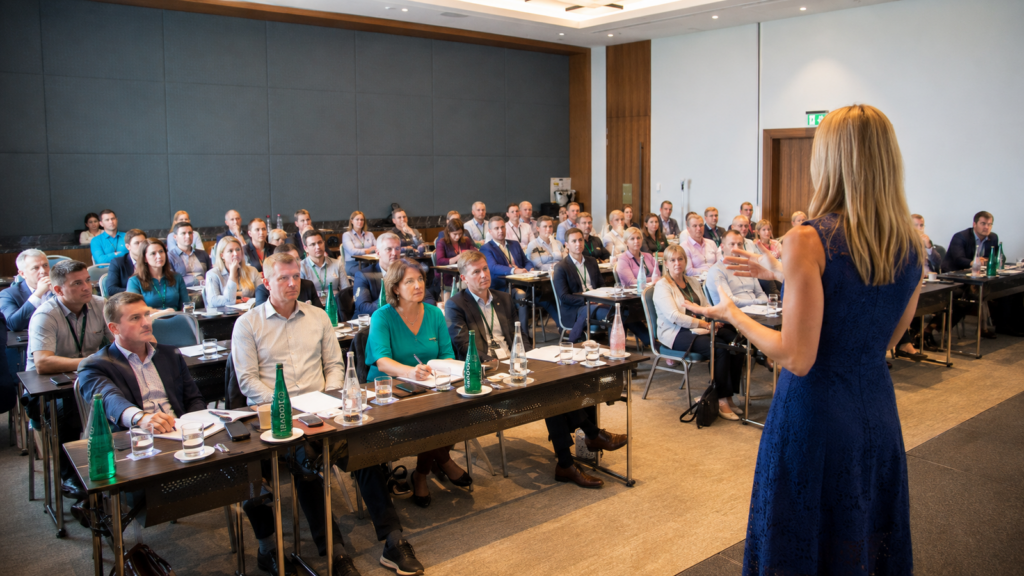
Interview Practice
Prepare
Clarify the interview objective and key messages.
Interview
Work through realistic questions based on the organisation, role and subject matter.
Pressure Test
Introduce more challenging questions and changes in direction.
Review
Identify where answers became unclear, too long, defensive or disconnected from the message.
Practise Again
Apply the feedback in another interview.
Where recorded interview practice is part of the agreed program, participants can also review their delivery, body language and messaging.
Media Training Should Reflect the Situation Your Business May Actually Face
Generic interview questions only go so far.
The strongest preparation is connected to the organisation.
Positive Announcement
A company launch, expansion, investment, new product, research finding or major milestone.
Training focus:
Clear messages, concise explanations and making the story understandable.
Industry Commentary
An executive or subject matter expert is asked to provide expert comment on a wider issue.
Training focus:
Explaining technical knowledge clearly without drifting outside the spokesperson’s expertise.
Sensitive Business Decision
A restructure, closure, price change, policy change or other decision likely to attract questions.
Training focus:
Clear reasoning, careful language, difficult questions and staying aligned with approved information.
Incident or Operational Issue
A journalist calls after an event involving the organisation.
Training focus:
Staying factual, avoiding speculation and communicating what is known at the time.
Public Scrutiny
A project, service or organisational decision is receiving stronger public attention.
Training focus:
Repeated questioning, challenging assumptions and explaining the organisation’s position clearly.
First Media Interview
A capable executive has simply never dealt with a journalist before.
Training focus:
Demystifying the interview, building confidence and establishing a repeatable preparation process.
When the Person Speaking Is the Person Leading the Business
Media interviews involving CEOs and senior executives can carry additional weight.
The spokesperson may need to represent:
- The company’s position
- Leadership decisions
- Commercial performance
- Employees
- Customers
- Investors
- Government relationships
- A major project
- A sensitive issue
- The wider reputation of the organisation
Executive Media Training can therefore be shaped more tightly around the individual.
This may include:
Message Discipline
Make the key points clear without sounding scripted.
Executive Presence
Communicate authority while remaining natural and approachable.
Difficult Questions
Practise the questions a senior leader is most likely to receive.
Complex Information
Translate detailed business information into language a broader audience can understand.
High-Stakes Interviews
Prepare for interviews where scrutiny is likely to be stronger.
Refresher Preparation
Experienced spokespeople can also benefit from focused practice before an important media opportunity.
Prepare for Scrutiny Before You Are Under It
Media Training can help spokespeople prepare for difficult interview conditions.
That can include practice around:
- Adverse media attention
- Organisational criticism
- Service failures
- Accidents or incidents
- Stakeholder concerns
- Difficult commercial decisions
- Complaints that have become public
- Government or regulatory attention
- Crisis-related interview scenarios
The purpose of the training is to strengthen the spokesperson’s interview capability.
Media Training does not replace your organisation’s crisis communications plan, legal advice, incident response or communications counsel.
Where an issue is live, the organisation should make sure interview messages and factual information are approved through the appropriate internal process before the spokesperson is trained on delivery.
Generic Media Training Is Easy. Relevant Media Training Takes Preparation.
Before the session, WeTrain can work with your organisation to understand:
- Who will be trained
- Their current media experience
- Why they may speak with the media
- Your organisation and industry
- Likely interview subjects
- Current key messages
- Technical terminology
- Sensitive areas
- Questions participants are worried about
- Upcoming media opportunities
- Internal approval processes
- The type of media they are likely to encounter
From there, the trainer can shape scenarios and interview questions around the participant rather than using unrelated examples.
Media Training Needs Time for Individual Practice
This is not a topic where putting 50 people in a room necessarily creates better learning.
The most valuable part of media training is often the individual practice.
For that reason, focused sessions with smaller numbers can give each spokesperson more opportunity to:
- Prepare messages
- Complete practice interviews
- Receive feedback
- Watch or review their performance
- Try the interview again
- Work on individual habits
For a business with a larger group of potential spokespeople, WeTrain can discuss multiple sessions or different cohorts rather than forcing everyone into one workshop.
Prepare Your Spokespeople Where It Makes Sense
Media Training can be shaped around the business, number of spokespeople and reason for the training.
On-Site
Deliver training at your workplace or another venue chosen by your organisation.
Executive Sessions
Focused training for one or a small number of senior spokespeople.
Team Workshops
Train several nominated spokespeople together.
Refresher Sessions
Revisit core skills before an important interview or after a period without media exposure.
Live Online
Useful where participants are in different locations or the priority is message preparation and interview technique.
Multiple Locations
With WeTrain’s national trainer network, training can be coordinated for teams across different locations.
Less Theory. More Time Answering Questions.
A good Media Training session should feel different from an ordinary communication workshop.
Participants need to work in the conditions they are preparing for.
Understand the Media
Know what the journalist needs and how interviews work.
Build the Message
Clarify what the organisation actually needs to communicate.
Practise
Complete realistic interview scenarios.
Get Challenged
Work through questions that are harder than the easy ones.
Receive Feedback
Understand what was clear, what was lost and what needs to change.
Practise Again
Apply the feedback immediately.
Leave With a Framework
Have a repeatable process for preparing for future interviews.
This Is Not Presentation Skills With a Camera Added
The skills overlap, but the environments are different.
Media Training
Best for:
Executives, experts and spokespeople dealing with journalists.
Focus:
Interview preparation, key messages, journalist questions, staying concise, difficult questions and media interview practice.
Best for:
People presenting to colleagues, clients, conferences or other audiences.
Focus:
Presentation structure, audience engagement, confidence and delivery.
Best for:
Broader everyday workplace conversations.
Focus:
Listening, questioning, clarity and interpersonal communication.
Keynote / Conference Preparation
Best for:
People preparing for a planned speech or conference appearance rather than an interview.
Media Training With a Wider Workplace Communication Perspective
WeTrain has delivered workplace communication and professional-skills training since 1998.
Media Training sits within that broader capability, allowing the program to combine interview technique with practical communication, presentation and executive-development experience where relevant.
27 Years of Workplace Training
WeTrain has worked with businesses and organisations across a wide range of professional-skills requirements since 1998.
75+ Specialist Trainers
The trainer can be matched to the media requirement, participant level and organisation.
WeTrain Institute
Trainers representing WeTrain complete the organisation’s internal trainer development and quality process.
Tailored Preparation
Interview scenarios and questions can reflect the business and likely media environment.
Practical Training
Participants practise the skill rather than only discussing media theory.
Executive & Team Delivery
Training can be structured for senior leaders, individual spokespeople or small teams.
Australia-Wide Capability
WeTrain can coordinate training across Sydney, Melbourne, Brisbane, Perth, Adelaide, Canberra and regional locations.
Recognised for Corporate Training Excellence
Best Bespoke Soft Skills Training Provider
Corporate Vision 2025
Best Corporate Training Provider
APAC Insider 2024
Business Training Service of the Year
Global Awards 2024/25
Best Corporate Training Provider
APAC Insider 2026

Best Soft Skills Focused Corporate Training Provider
AI Global Media 2025
Questions About Media Training
What does Media Training actually prepare a spokesperson to do?
Media Training prepares a spokesperson for the practical reality of being interviewed by a journalist.
That includes understanding how interviews work, preparing key messages, answering questions clearly, handling difficult or unexpected questions, keeping answers concise and communicating in a way the audience can understand.
Where relevant, participants can also practise realistic interview scenarios and receive feedback on both the content of their answers and the way they deliver them.
Can the training use questions our executives are genuinely likely to be asked?
Yes. That should be one of the main advantages of tailored Media Training.
Before the session, WeTrain can discuss your organisation, industry, likely interview topics, current messages and any sensitive areas the spokesperson may encounter.
The trainer can then shape practice questions around realistic situations rather than relying entirely on generic media scenarios.
Is Media Training suitable for CEOs and senior executives?
Yes.
Senior leaders are often the people asked to comment on company decisions, performance, major announcements or sensitive issues.
Executive Media Training can be more focused and intensive, with greater emphasis on key-message discipline, difficult questioning, executive presence and the specific media situations the participant may face.
Can Media Training prepare someone for a crisis interview?
It can help a spokesperson practise communicating under pressure and handling difficult questions.
However, media training is not a replacement for crisis communications planning, legal advice or an organisation’s formal incident-response process.
For a live issue, approved facts and messages should be established through the appropriate internal process before interview practice begins.
What is the difference between Media Training and Presentation Skills Training?
Presentation Skills Training prepares someone to communicate to an audience in a setting where they generally control the structure and content.
A media interview is different because the journalist controls the questions and can change direction at any time.
Media Training therefore focuses more heavily on interview preparation, key messages, concise answers, difficult questions and responding without losing sight of what the organisation needs to communicate.
Make the First Practice Interview Happen Before the Real One
Tell us who may need to speak with the media, the types of interviews they are likely to face and what you want them to be ready for.
We’ll help shape the trainer, scenarios and interview practice around your business.