

Conflict Management Training for Australian Organisations
Practical workplace conflict training that helps employees and managers recognise conflict earlier, understand what is driving it and work through difficult situations more constructively.
Practical Two-Day Conflict Management Training
27 Years
Delivering Workplace Training
100k+
People Trained
75+
Specialist Trainers






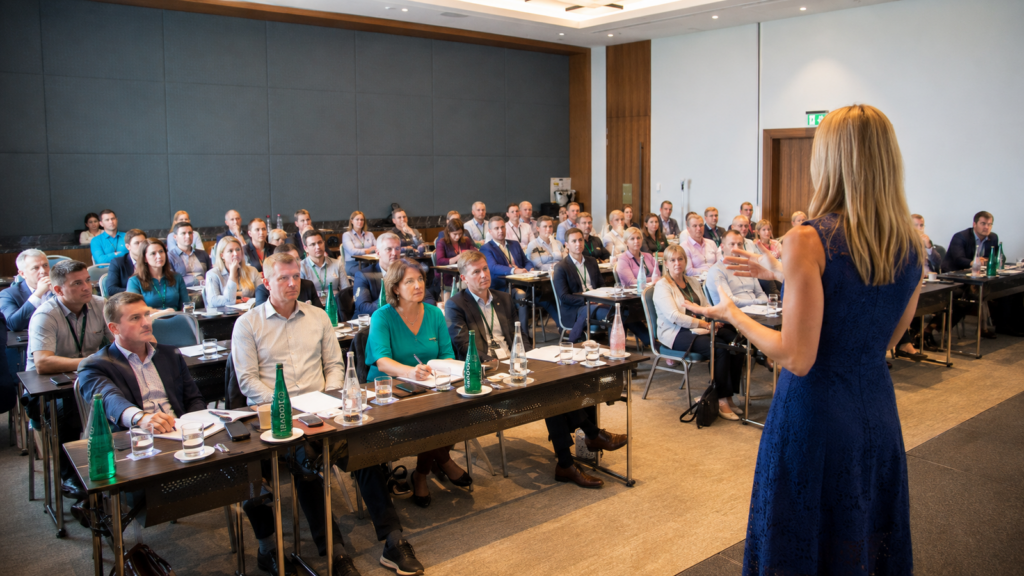
Conflict Is Not Always the Problem
Different opinions, priorities and working styles are a normal part of working with other people.
In fact, constructive disagreement can lead to better ideas and decisions. The problem starts when disagreement becomes personal, communication breaks down or issues continue without being properly addressed.
WeTrain’s Conflict Management Training helps participants understand how workplace conflict develops, how they naturally respond to it and what they can do to work through disagreement more constructively.
The aim is not to eliminate disagreement. It is to give people the confidence and practical skills to address issues earlier, communicate more clearly and move towards workable outcomes.
Understand What Is Happening Before Trying to Fix It
Workplace conflict rarely begins with a major confrontation.
More often, it develops through repeated misunderstandings, different expectations, unclear responsibilities, competing priorities or behaviours that gradually affect the working relationship.
Participants learn to recognise what may be happening beneath the surface before deciding how to respond.
- Task Conflict
People disagree about an idea, decision or way of completing the work.
This can be productive when the discussion remains focused on the issue rather than the people involved.
- Interpersonal Conflict
The disagreement begins to affect the relationship itself and the focus shifts towards personalities, blame or past behaviour.
- Different Expectations
Two people may believe they have different responsibilities, priorities or standards without having clearly discussed them.
- Communication Breakdowns
Assumptions, incomplete information or unclear communication can create conflict even when the underlying goals are similar.
- Emotional Triggers
Participants explore how particular words, behaviours and situations can lead to stronger emotional responses.
- Avoided Issues
Conflict can also grow when important conversations are delayed because people are uncomfortable raising the issue.
Workplace Conflict Does Not Always Look Like an Argument
Conflict can be obvious, but it can also appear as avoidance, frustration, repeated disagreement or a relationship that has gradually become harder to manage.
These are the types of situations participants may explore during the program.
- Two Colleagues With Different Working Styles
Both employees are capable, but they approach deadlines, communication and decision-making very differently.
Over time, those differences have started to create frustration.
Training can explore:
Assumptions, triggers, different perspectives, communication styles and creating a workable approach.
- A Manager Avoiding a Difficult Conversation
A team member’s behaviour is affecting others, but the manager keeps postponing the conversation because they are unsure how to raise it.
Training can explore:
Preparation, opening the conversation, staying factual, listening and agreeing on next steps.
- Conflict Between Departments
Two teams rely on each other but have different priorities and different views about who is responsible for what.
Training can explore:
Competing perspectives, expectations, responsibilities, communication and finding common ground.
- Two Employees No Longer Working Well Together
An earlier disagreement has become personal and communication between the employees has deteriorated.
Other team members are now beginning to notice the impact.
Training can explore:
Interpersonal conflict, assumptions, blame, constructive discussion and rebuilding a workable professional relationship.
- A Manager Caught Between Two Employees
Two team members repeatedly ask their manager to decide who is right.
The manager keeps stepping in and solving the problem for them, but the underlying conflict continues.
Training can explore:
Neutrality, questioning, responsibility, facilitation and helping employees work towards their own agreement.
- Conflict During Organisational Change
Changes to roles, responsibilities, systems or priorities have created uncertainty and frustration between people or teams.
Training can explore:
Emotional responses, communication, assumptions, resistance and discussing different perspectives constructively.
Move From the Drama Cycle to a More Productive Dynamic
When workplace conflict becomes emotional, people can fall into patterns that keep the problem going.
A distinctive part of WeTrain’s established Conflict Management program is helping participants recognise these patterns and consider a more productive way of responding.
The Drama Cycle
- Persecutor
Responding through blame, criticism, control or attack.
- Victim
Feeling powerless, unfairly treated or unable to influence what happens next.
- Rescuer
Stepping in to fix the problem for other people rather than helping them take responsibility.
These positions can reinforce each other and keep the conflict focused on blame rather than resolution.
Moving Towards an Empowerment Dynamic
- Challenger
Address the issue clearly while keeping the focus on improvement rather than blame.
- Creator
Focus on choices, desired outcomes and what can be done next.
- Coach
Use questions and support to help people take responsibility for finding a way forward.
From blame to responsibility.
From helplessness to choice.
From rescuing to constructive support.
Five Steps for Working Through Workplace Conflict
When emotions are involved, it is easy for a difficult conversation to lose direction.
WeTrain gives participants a practical process they can use to prepare for the conversation, understand the issue and work towards an agreed way forward.
Your Five-Step Framework
01. Prepare
Understand the issue before starting the conversation.
Consider:
- What has actually happened?
- What are the facts?
- What assumptions might I be making?
- What outcome am I seeking?
- What might the other person see differently?
- What is the right time and place to talk?
02. Open
Start the conversation in a way that makes constructive discussion possible.
Focus on:
- Explaining the issue clearly
- Staying factual
- Avoiding blame
- Setting an appropriate tone
- Explaining why the conversation matters
03. Explore
Understand the different perspectives before trying to solve the problem.
This can include:
- Active listening
- Asking questions
- Paraphrasing
- Clarifying assumptions
- Exploring underlying concerns
- Identifying areas of agreement
04. Resolve
Shift from discussing the problem towards what needs to happen next.
This can include:
- Exploring possible options
- Finding common ground
- Clarifying responsibilities
- Agreeing on expectations
- Addressing unresolved issues
05. Confirm
Make sure both parties leave with the same understanding.
Confirm:
- What has been agreed
- Who will do what
- Any required follow-up
- Expectations moving forward
- When the situation will be reviewed
When You Are Part of the Conflict and When You Need to Manage It
Conflict Management Training can be relevant in two very different situations.
Some participants need to become better at resolving conflict they are personally involved in. Others are managers or leaders who need to help other people work through disagreement.
When You Are Involved in the Conflict
Participants can develop skills for:
Raising the Issue
Start a necessary conversation rather than allowing frustration to continue.
Managing Your Own Response
Recognise emotions, triggers and assumptions before reacting.
Listening to the Other Perspective
Understand what the other person is actually saying rather than preparing your next argument.
Communicating Disagreement
Challenge ideas, decisions or behaviour without turning the disagreement into a personal attack.
Finding a Way Forward
Move away from proving who is right and towards practical next steps.
When You Are Managing Conflict Between Others
Managers and leaders can develop skills for:
Hearing Both Perspectives
Understand what each person believes has happened before reaching a conclusion.
Remaining Balanced
Avoid prematurely taking sides or reinforcing the conflict.
Asking Better Questions
Help employees move beyond blame and identify the real issue.
Facilitating the Conversation
Keep the discussion constructive and focused.
Supporting Responsibility
Help the people involved develop their own workable agreement rather than simply solving the problem for them.
Managing Conflict When You Are Responsible for the Team
Managers have an additional responsibility when conflict begins affecting the people around them.
Ignoring the situation can allow frustration and poor working relationships to continue. Taking over every disagreement can also prevent employees from developing the ability to resolve issues themselves.
Leadership-focused Conflict Management Training can explore how to:
- Recognise signs of conflict early
- Decide whether intervention is needed
- Speak with the people involved
- Listen without immediately taking sides
- Facilitate a constructive conversation
- Keep the discussion focused on workplace issues
- Clarify expectations and responsibilities
- Agree on practical actions
- Follow up after the conversation
- Recognise when People & Culture or a formal process should become involved
Build Confidence for the Conversations People Often Avoid
Many workplace conflicts become harder because the conversation that needed to happen was delayed.
Participants can practise approaching common workplace situations such as:
- Behaviour
Raising behaviour that is affecting colleagues, customers or the wider team.
- Performance
Discussing performance concerns without allowing the conversation to become unnecessarily personal.
- Working Relationships
Addressing tension or misunderstandings between people who still need to work together.
- Responsibilities
Clarifying who is responsible for what when expectations have become confused.
- Different Priorities
Working through disagreement between teams or individuals trying to achieve different outcomes.
- Feedback
Giving and receiving feedback without immediately becoming defensive.
- Boundaries
Clarifying expectations when behaviours or responsibilities have become unclear.
- Change
Discussing disagreement and resistance during changes to roles, systems, processes or expectations.
Not Every Workplace Conflict Should Be Handled the Same Way
Conflict Management Training develops practical interpersonal skills, but not every workplace issue is appropriate for informal resolution.
Participants should also understand the limits of their role.
- Direct Conversation
May be appropriate where the people involved can safely discuss the issue and work towards a practical resolution.
- Manager Support
May be useful where employees need assistance clarifying expectations, responsibilities or an ongoing working relationship.
- Facilitated Conversation
Where appropriate, a manager or other suitable person may help both parties discuss the issue constructively.
- People & Culture Support
Some situations may require additional organisational guidance or support.
- Formal Processes
Matters involving workplace conduct, safety, grievances or other formal concerns should be managed through the organisation’s relevant policies and procedures.
- Conflict Management
Training Around the Conflict Your People Actually Experience
Generic examples only go so far.
Before delivery, WeTrain can work with your organisation to understand where conflict tends to arise and the capability you want participants to develop.
Training can then be shaped around relevant workplace situations without requiring sensitive individual matters to be discussed publicly in the room.
Training Can Reflect
- Conflict between colleagues
- Manager and employee disagreements
- Cross-team tension
- Performance conversations
- Communication breakdowns
- Unclear responsibilities
- Different working styles
- Project conflict
- Organisational change
- Difficult feedback
- Leadership challenges
- Recurring workplace disagreements
The trainer can use realistic scenarios, discussions and exercises that make sense to the people participating.
Why WeTrain Delivers Conflict Management Over Two Days
Workplace conflict is a complex interpersonal skill.
Participants need more than a list of communication techniques. They need time to understand conflict, recognise their own responses, practise conversations and receive feedback.
WeTrain’s established Conflict Management Training is designed as a two-day program.
Day One
Understand Conflict & Your Response
Day One can explore:
- Healthy and unhealthy conflict
- Sources and types of workplace conflict
- Conflict triggers
- Emotional responses
- Personal conflict patterns
- The Drama Cycle
- Moving towards more constructive responses
- Active listening
- Questioning
- Verbal and non-verbal communication
- Introduction to the conflict resolution framework
Day Two
Resolve Conflict & Practise the Skills
Day Two moves more deeply into practical application.
This can include:
- Preparing for difficult conversations
- Applying the five-step framework
- Workplace conflict scenarios
- Facilitating conflict between others
- Manager intervention
- Difficult conversation practice
- Conflict resolution exercises
- Trainer feedback
- Applying the skills back at work
- Tailored Around Your Requirement
This is an example structure.
The emphasis, activities and scenarios can be adjusted around your organisation, participant group and training objectives.
- Larger Training Requirements
For organisations developing a larger number of employees, WeTrain can coordinate the program across:
- Multiple groups
- Departments
- Management cohorts
- Different locations
- Regional teams
- National workforces
Conflict Management Skills Across the Workplace
The program can be shaped around participants who need to manage their own workplace conflict or those responsible for supporting other people through it.
- Managers & Team Leaders
Develop greater confidence addressing issues and supporting employees through disagreement.
- HR & People Teams
Strengthen practical conflict-resolution and facilitation skills.
- Employees & Teams
Develop greater self-awareness and the skills to work through disagreement constructively.
- Supervisors
Recognise problems earlier and handle everyday workplace tensions with greater confidence.
- Project Managers
Manage disagreement when teams have different priorities, responsibilities or expectations.
- Senior Leaders
Develop stronger approaches to difficult conversations and organisational tension.
- Cross-Functional Teams
Improve the way teams with different responsibilities work through disagreement.
- Emerging Leaders
Build conflict capability before managing difficult people situations becomes a regular part of the role.
What Should Be Different After the Training?
The goal is not for participants to leave knowing more theories about workplace conflict.
The goal is to help them deal with it more effectively.
- Recognise Conflict Earlier
Identify warning signs before the issue becomes harder to address.
- Understand Their Own Response
Recognise how emotions, assumptions and personal triggers can influence behaviour.
- Listen More Effectively
Understand another perspective before deciding how to respond.
- Communicate Disagreement Clearly
Raise issues without unnecessary blame or escalation.
- Stay Constructive Under Pressure
Maintain focus when a conversation becomes uncomfortable.
- Use a Clear Resolution Process
Follow a practical framework rather than improvising through difficult conversations.
- Facilitate Conflict Between Others
Support constructive discussion without automatically taking sides or solving the problem for everyone.
- Know When to Escalate
Recognise when a situation requires management, People & Culture or a formal organisational process.
Conflict Skills for High-Pressure Workplaces
Conflict Resolution Training for Jetstar
WeTrain has delivered Conflict Resolution Training for Jetstar frontline employees working in a demanding airport environment.
The training focused on practical techniques participants could apply when situations became difficult and pressure was high.
“The sessions are practical and engaging and have enabled our team to effectively manage conflict in a stressful airport environment.”
Kirsty Bright
Ground Operations, Jetstar
Conflict Skills Need to Be Practised
Conflict is an interpersonal skill.
That means participants need opportunities to work through difficult situations, test different approaches and consider how they would respond in the workplace.

Real Workplace Scenarios
Activities can reflect the kinds of conflict participants actually encounter.

Practical Frameworks
Participants leave with clear approaches they can use when difficult situations arise.

Active Participation
Sessions involve discussion, exercises and practical application.

Difficult Conversation Practice
Participants can practise important conversations in a controlled learning environment.

Trainer Feedback
Participants receive practical guidance throughout exercises and discussions.

Workplace Application
The focus remains on what participants can do differently when their next difficult conversation occurs.
The Right Trainer Matters for Conflict Management
Conflict Management requires a trainer who can do more than explain a model.
The facilitator needs to manage sensitive discussions, create a constructive learning environment and help participants practise situations that can sometimes feel uncomfortable.
WeTrain draws from a national network of 75+ specialist trainers and matches the trainer to the organisation, audience and training requirement.
Every WeTrain trainer also undertakes WeTrain’s internal trainer development and ongoing quality process through the WeTrain Institute.
27 Years of Practical Workplace Training
WeTrain has been helping Australian organisations develop workplace capability since 1998.
Conflict Management combines established frameworks with practical facilitation, tailored workplace scenarios and time for meaningful application.
- 27 Years of Experience
Practical corporate training delivered to Australian organisations since 1998.
- 75+ Specialist Trainers
A national trainer network allows WeTrain to match the facilitator to the audience and requirement.
- WeTrain Institute
WeTrain’s own trainer development and ongoing quality process.
- Practical Two-Day Format
Participants have time to understand, practise, reflect and improve.
- Tailored to Your Organisation
Scenarios and activities can reflect the conflict situations your people actually encounter.
- Australia-Wide Delivery
Training can be delivered for teams, multiple groups and organisations across Australia.
Award-Winning Corporate Training Excellence
WeTrain has been recognised for the quality of its corporate and soft skills training across Australia.
Best Bespoke Soft Skills Training Provider
Corporate Vision 2025
Best Corporate Training Provider
APAC Insider 2024
Business Training Service of the Year
Global Awards 2024/25
Best Corporate Training Provider
APAC Insider 2026

Best Soft Skills Focused Corporate Training Provider
AI Global Media 2025
Is Conflict Management the Right Program?
Several WeTrain programs deal with challenging conversations, but they solve different workplace problems.
Best for:
Conflict between colleagues, managers, teams or other workplace relationships.
Focus:
Understanding conflict, difficult conversations, resolution and managing conflict between others.
Best for:
Challenging interactions with customers, clients, patients or members of the public.
Focus:
Listening, customer behaviour, communication and managing challenging customer conversations.
Best for:
Broader everyday workplace communication.
Focus:
Listening, questioning, clarity, communication styles and interpersonal communication.
Best for:
Managers and supervisors needing broader people-management capability.
Focus:
Leadership, feedback, delegation, coaching, accountability and managing teams.
Common Questions About Conflict Management Training
Is workplace conflict always a negative thing?
No. Different opinions, perspectives and ideas can be useful when people are able to disagree constructively.
Conflict becomes more problematic when the disagreement becomes personal, communication deteriorates or issues remain unresolved. WeTrain’s program helps participants distinguish between productive disagreement and conflict that is damaging the working relationship.
Can the training help managers deal with conflict between employees?
Yes.
Participants can develop skills not only for managing conflict they are personally involved in, but also for facilitating conversations between other people.
For managers, this can include hearing different perspectives, staying balanced, asking useful questions, guiding the conversation, clarifying expectations and helping employees agree on practical next steps.
Can the program be tailored around conflict happening in our organisation?
Yes.
WeTrain can consult with your organisation before the training to understand the kinds of workplace conflict participants encounter and the capability you want to develop.
Relevant situations can then inform scenarios and exercises without requiring confidential or sensitive individual matters to be discussed during the program.
Why is WeTrain’s Conflict Management program delivered over two days?
Conflict management requires more than understanding a communication model.
Participants need time to examine how conflict develops, recognise their own responses, practise listening and questioning, learn a structured resolution process and apply those skills to realistic situations.
The two-day format provides more opportunity for practice, reflection and trainer feedback.
When should workplace conflict be escalated rather than handled directly?
Not every workplace issue should be resolved informally by the people involved.
Depending on the circumstances, a matter may require support from a manager, People & Culture team or the organisation’s formal workplace processes.
Conflict Management Training helps participants develop practical skills and recognise those boundaries. It does not replace workplace policies, formal grievance processes, safety procedures or professional advice where these are required.
Help Your People Work Through Conflict More Constructively
Tell us who needs training, the situations they are dealing with and what you want them to handle more effectively.
We’ll recommend the right trainer, program and delivery approach for your organisation.