

Make It Easier for Customers to Do Business With You
Help your team recognise unnecessary friction, communicate more clearly and create customer interactions that feel simple, smooth and easy to navigate.
Practical Low-Effort Customer Service Training
27 Years
Delivering Workplace Training
100k+
People Trained
75+
Specialist Trainers







Good Service Should Not Feel Like Hard Work for the Customer
Customers notice when dealing with an organisation feels harder than it should.
They notice when they need to repeat information, chase an answer, speak to several people, interpret an unclear explanation or work out for themselves what happens next.
Effortless Customer Service Training helps employees look at service from the customer’s side of the interaction.
The aim is not to rush people through conversations or remove the human element. It is to help your team make each interaction clearer, easier and more useful, while still providing professional and personal service.
Participants learn how to anticipate needs, simplify communication, resolve issues and recognise the small points of friction that can make an otherwise good customer experience unnecessarily difficult.
Remove Friction Without Removing the Human Touch
Effortless customer service does not mean doing everything for the customer.
It means understanding where customers are being asked to do unnecessary work and making the interaction easier wherever your team has the ability to do so.
- Easier to Understand
Customers should not have to translate internal terminology, complex explanations or unclear instructions.
- Easier to Navigate
The customer should know who they are dealing with, what is happening and what the next step will be.
- Easier to Resolve
Where an issue can be resolved, the customer should not need to repeatedly explain the same problem.
- Easier to Continue
If another person or department needs to become involved, the customer experience should not feel like it has started again from the beginning.
- Easier to Trust
Clear expectations, accurate information and appropriate follow-up make it easier for customers to feel confident in the organisation.
- Easier Without Becoming Impersonal
Reducing effort should never mean replacing useful human communication with rigid scripts or rushed service.
Practical Skills for Creating an Easier Customer Experience
The program can be shaped around where customers currently experience friction in your organisation.
See the Experience From the Customer’s Side
Understand Where Effort Is Being Created
Employees often understand the organisation’s processes very well.
Customers do not.
Participants learn to step outside the internal process and consider what the interaction feels like from the customer’s point of view.
Can include:
- Mapping common customer interactions
- Identifying unnecessary steps
- Recognising repeated explanations
- Looking for unclear handovers
- Identifying common frustrations
- Understanding the customer’s desired outcome
Simplify the Conversation
Make Information Easier to Understand and Act On
A conversation becomes harder when the customer receives too much information, unclear language or no obvious next step.
Can include:
- Clearer explanations
- Removing unnecessary jargon
- Structuring information
- Confirming understanding
- Giving customers the information they actually need
- Making next steps explicit
- Avoiding information overload
Anticipate What the Customer Will Need Next
Answer the Next Question Before It Becomes Another Contact
Effort can increase when a customer receives an answer to the immediate question but not enough information to complete the next step.
Participants consider how to anticipate what the customer may need after the current interaction.
Can include:
- Identifying likely next questions
- Explaining the full process
- Providing useful supporting information
- Setting expectations early
- Clarifying responsibilities
- Preventing unnecessary follow-up
Tailor the Interaction
Different Customers Need Different Levels of Support
An effortless experience does not mean treating everyone exactly the same.
Some customers want direct information and independence. Others need more explanation or guidance.
Participants learn to read the situation and adjust their approach accordingly.
Can include:
- Listening for customer preferences
- Recognising communication styles
- Adjusting the level of detail
- Asking better questions
- Personalising the conversation appropriately
- Avoiding assumptions
Know When to Step In and When to Step Back
Help Without Making the Customer More Dependent
Good service is not always about doing more.
Sometimes the easiest experience is giving the customer enough clarity to move forward themselves.
Can include:
- Recognising when support is needed
- Giving customers appropriate control
- Avoiding over-servicing
- Keeping ownership where it belongs
- Providing clear options
- Making self-service easier where appropriate
Resolve the Issue Properly
Avoid Solving Today’s Problem in a Way That Creates Tomorrow’s
A quick response is not always the same as an effective resolution.
Participants learn to look beyond the immediate request and consider what needs to happen to avoid unnecessary repeat contact or continued frustration.
Can include:
- Understanding the real issue
- Clarifying the desired outcome
- Taking appropriate ownership
- Exploring workable options
- Confirming what has been resolved
- Explaining any remaining action
- Preventing the same problem where possible
Make Handovers Easier
Do Not Make the Customer Start Again
When another team or person needs to become involved, a poor handover can create significant customer effort.
Can include:
- Explaining why the handover is necessary
- Passing on relevant context
- Setting expectations
- Clarifying responsibility
- Avoiding repeated information
- Confirming what happens next
Set Clear Expectations
Uncertainty Creates Effort
A customer who does not know what will happen next is more likely to follow up, repeat the enquiry or become frustrated.
Can include:
- Timeframes
- Responsibilities
- Available options
- Limitations
- Follow-up
- What the customer needs to do
- What the organisation will do
Improve the Experience, Not Just the Conversation
Look for Patterns the Organisation Can Fix
Frontline employees often see recurring customer frustrations before anyone else.
The program can help teams identify common issues and think constructively about what could be improved.
Can include:
- Common friction points
- Repeated customer questions
- Process gaps
- Service inconsistencies
- Unclear communication
- Internal handovers
- Practical improvement ideas
Small Frustrations Can Add Up Quickly
Low-effort service becomes much easier to understand when teams look at real customer situations.
- “I’ve Already Explained This”
A customer moves between people or departments and has to provide the same information again.
Training focus:
Better handovers, ownership and preserving context.
- “What Happens Now?”
The customer receives an answer but leaves without understanding the next step.
Training focus:
Expectation setting and clearer closure.
- “Why Is This So Complicated?”
The employee understands the internal process but explains it using terminology or detail that makes little sense to the customer.
Training focus:
Clear language and simplifying information.
- “Can Someone Just Help Me Fix This?”
The customer has spoken with several people but nobody appears to own the issue.
Training focus:
Appropriate ownership and moving the issue towards resolution.
- “I Was Told Something Different Last Time”
Different employees give different answers or apply the same process differently.
Training focus:
Service consistency and shared standards.
- “I Just Need a Simple Answer”
The employee provides far more information than the customer needs to complete a straightforward task.
Training focus:
Reading the customer and adjusting the level of support.
For Teams That Make the Customer Experience Happen
Effortless Customer Service is primarily designed for people who regularly interact with customers, but it can also involve leaders responsible for how service is delivered.
- Customer Service Teams
Employees responsible for enquiries, service requests and ongoing customer support.
- Reception & Front Desk Teams
People often responsible for the customer’s first interaction with the organisation.
- Administration Teams
Employees who manage information, processes and customer follow-up behind the scenes.
- Telephone & Contact Centre Teams
Employees handling high volumes of enquiries where clarity and efficient resolution matter.
- Customer Support Teams
People helping customers resolve product, service or account issues.
- Account & Client Service Teams
Employees managing longer-term relationships where unnecessary effort can affect the wider customer experience.
- Team Leaders & Supervisors
Leaders responsible for reinforcing service standards and helping teams identify recurring customer friction.
- Managers
Managers who want greater consistency in how teams make decisions and support customers.
Making Customer Conversations Easier to Navigate
Canberra Prosthodontic Group shared how practical customer communication techniques were being applied by both front-desk employees and clinicians.
Following the training, the practice reported that front-desk staff were using techniques to steer long telephone conversations towards a clearer close, while clinicians were communicating information more directly and improving how expectations were set and met.
“As a result, the entire practice is improving in terms of setting and meeting expectations.”
Tina Critchley
Practice Manager, Canberra Prosthodontic Group
Finish With a Clear Agreement About How Your Team Will Serve Customers
The program can include the creation of a Group Charter.
Rather than participants leaving with a collection of individual ideas, the team can work towards a shared view of what easier customer service should look like within their organisation.
The Charter might include commitments such as:
- We Make the Next Step Clear
Customers should know what happens after the interaction.
- We Avoid Unnecessary Transfers
Where we can reasonably own the issue, we do.
- We Explain Things in Customer Language
Internal terminology should not become the customer’s problem.
- We Preserve Context
Customers should not have to repeatedly explain the same situation.
- We Set Realistic Expectations
We are clear about what can happen and when.
- We Look for Recurring Friction
If customers repeatedly struggle with the same issue, we raise it rather than accepting it as normal.
- We Adapt to the Customer
We provide the level of support appropriate to the situation rather than treating every customer identically.
The exact Charter should be created by the participants and shaped around the organisation’s own service environment.
That gives the program something tangible to carry back into the workplace.
A Practical One-Day Customer Service Program
Effortless Customer Service Training is generally delivered as an interactive one-day program.
- One-Day Program
The full program provides time to understand customer effort, examine real service situations, practise new approaches and develop the Group Charter.
- Shorter Workshops
Selected content can be adapted for a more focused requirement.
- Conference & Event Sessions
The program can also be condensed for conferences, staff events and broader development days.
- On-Site Training
Training can be delivered at your workplace so discussions and examples stay close to the actual service environment.
- Live Online Training
Facilitator-led virtual delivery is available for remote or geographically distributed teams.
- Multiple Groups
For larger workforces, the same program can be delivered across several groups.
- Multiple Locations
Training can be coordinated across offices, branches or customer-service locations.
- Group Size
For practical interaction and individual input, WeTrain recommends smaller groups of approximately 3 to 12 participants. Larger requirements can be structured differently.
Find the Friction That Matters in Your Business
Effortless customer service will look different in every organisation.
A healthcare practice may need clearer appointment and patient communication.
A professional-services business may need smoother handovers between advisers and administration.
A retailer may need clearer returns and complaint interactions.
A utilities provider may need to simplify complex service or billing conversations.
Before delivery, WeTrain can learn about:
- Your customers
- How they contact you
- Common enquiries
- Customer complaints
- Repeat questions
- Common handovers
- Service processes
- Different customer-facing teams
- Areas where customers become confused
- Existing service standards
- Customer feedback
- Desired service outcomes
The training can then focus on the friction points relevant to your operation.
Look at Service Through the Customer’s Eyes
This program should not feel like another generic customer-service workshop.
Participants are encouraged to examine the experience their organisation actually creates.

Customer Journey Thinking
Consider the interaction from the customer’s point of view rather than only the organisation’s process.

Real Friction Points
Work through situations where customers currently need to put in unnecessary effort.

Practical Conversations
Practise clearer explanations, expectation-setting and issue resolution.

Team Discussion
Identify service inconsistencies and different approaches across the group.

Improvement Thinking
Look beyond individual conversations and identify issues the team could prevent or simplify.

Shared Standards
Use the Group Charter to turn learning into agreed customer-service behaviours.
From Customer Friction to a Clearer Service Standard
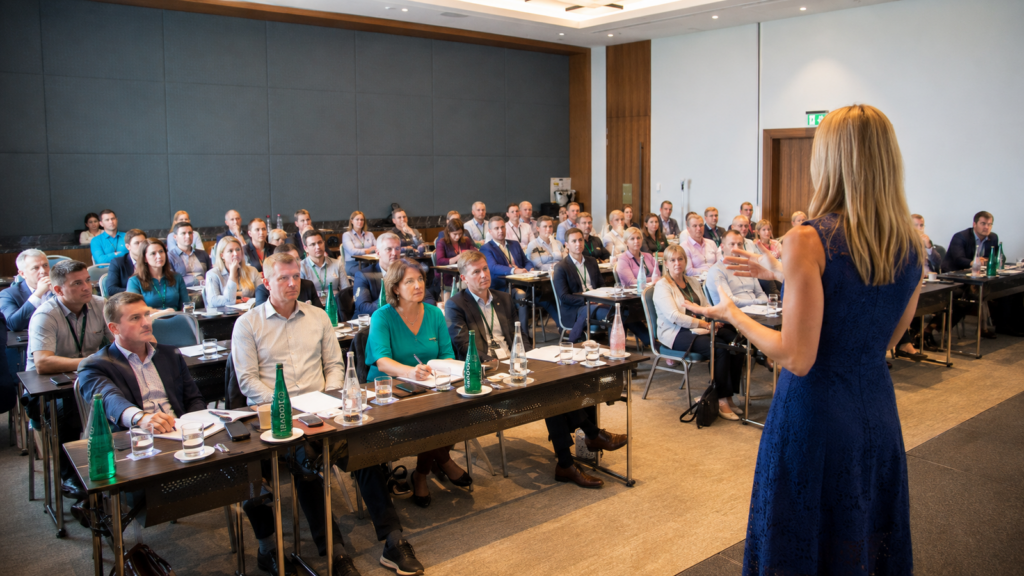
Your Training Program
01. Understand the Customer Experience
We start by understanding how your customers interact with the organisation.
This can include:
- Customer channels
- Common enquiries
- Service processes
- Complaint themes
- Repeat contacts
- Common handovers
- Current pain points
- Team responsibilities
02. Identify Where Effort Is Being Created
The program focuses on the areas where customers may be doing more work than necessary.
This can include:
- Repeating information
- Unclear next steps
- Complex explanations
- Multiple transfers
- Inconsistent service
- Slow ownership
- Poor handovers
- Unnecessary follow-up
03. Practise Easier Ways to Respond
Participants explore practical alternatives.
This can include:
- Clearer language
- Better questions
- Stronger expectation-setting
- Improved handovers
- More appropriate ownership
- Easier next steps
- More tailored customer conversations
04. Agree on What Good Looks Like
The team identifies the behaviours it wants to apply consistently and develops the Group Charter.
05. Apply It Back at Work
Participants leave with specific actions they can use during customer interactions and service improvements the organisation can continue exploring.
Effortless and Exceptional Are Not the Same Thing
- Customer Service Training
Best for:
Building broad customer-service capability.
Focus:
Communication, customer needs, service standards, difficult interactions and consistency.
- Exceptional Customer Service Training
Best for:
Organisations wanting to lift service from good to a noticeably higher standard.
Focus:
Service excellence, stronger customer relationships, first impressions, customer loyalty and creating memorable service.
- Effortless Customer Service Training
Best for:
Organisations where customers experience unnecessary complexity or friction.
Focus:
Making interactions easier, reducing avoidable effort, simplifying communication, improving handovers and resolving issues more smoothly.
- Managing Difficult Customers
Best for:
Teams dealing regularly with challenging customer behaviour and difficult conversations.
Focus:
Listening, behavioural awareness and managing challenging interactions more effectively.
Not sure which program fits?
Customer Service Training Built Around the Experience You Want to Create
WeTrain has delivered practical workplace training since 1998.
Effortless Customer Service is distinctive because the program looks beyond generic service behaviours and examines how easy or difficult the organisation makes the customer experience.
- 27 Years of Workplace Training
WeTrain has been developing workplace and customer-service capability since 1998.
- 75+ Specialist Trainers
The facilitator can be matched to your organisation, audience and service environment.
- WeTrain Institute
Our trainers undertake WeTrain’s own trainer development and ongoing quality process.
- Tailored Customer Scenarios
Training can reflect your real service processes, customer interactions and friction points.
- Practical Delivery
Participants analyse, discuss and practise rather than simply listening to customer-service theory.
- Group Charter
The program can finish with a clear shared agreement about how the team wants to make service easier.
- Different Customer Environments
The approach can be adapted across healthcare, professional services, government, retail, utilities and other customer-facing environments.
- Australia-Wide Delivery
Training can be coordinated across one team, several groups or multiple locations.
Recognised for Corporate Training Excellence

Best Bespoke Soft Skills Training Provider
Corporate Vision 2025
Best Corporate Training Provider
APAC Insider 2024
Business Training Service of the Year
Global Awards 2024/25
Best Corporate Training Provider
APAC Insider 2026

Best Soft Skills Focused Corporate Training Provider
AI Global Media 2025
Common Questions About Effortless Customer Service Training
What does “effortless customer service” mean?
Effortless customer service means reducing the unnecessary work a customer needs to do to understand information, resolve an issue or complete what they came to your organisation to do.
It does not mean rushing the customer or removing personal service.
The focus is on making the interaction clearer and easier by reducing things such as repeated explanations, unclear next steps, unnecessary transfers, complicated language and avoidable follow-up.
How is Effortless Customer Service different from Exceptional Customer Service?
The programs have different goals.
Exceptional Customer Service Training focuses on raising the overall standard of service and creating stronger customer experiences.
Effortless Customer Service Training focuses specifically on reducing friction and making it easier for the customer to interact with the organisation.
An exceptional experience may be memorable. An effortless experience should feel simple and easy to navigate.
Can the training look at problems in our actual customer journey?
Yes.
Before delivery, WeTrain can learn about your customer interactions, common enquiries, complaints, handovers, service processes and areas where customers regularly become confused or frustrated.
The program can then use relevant scenarios and discussions rather than relying entirely on generic examples.
What is the Group Charter?
The Group Charter is a distinctive part of WeTrain’s established Effortless Customer Service program.
During the training, participants can identify the behaviours and service principles they want to apply consistently after the program.
The finished Charter provides the team with a shared reference point for what easier, more consistent customer service should look like in their organisation.
Who should attend Effortless Customer Service Training?
The program can be useful for customer service teams, reception and administration employees, telephone and contact-centre staff, client-service teams, supervisors and managers.
It is particularly relevant where an organisation wants to reduce customer frustration, create smoother handovers, improve consistency or make its service processes easier for customers to navigate.
Make Good Service Easier for the Customer
Tell us where customers experience friction, who interacts with them and what you want your team to improve.
We’ll shape the training around your customer journey, service environment and people.