

Workplace Wellbeing Training for Healthier Ways of Working
Workplace wellbeing cannot be reduced to a list of personal habits. People can develop useful ways to manage attention, energy and recovery, but teams and leaders also shape whether those practices are realistic.
Delivery: On-site, live online or off-site
Location: Australia-wide
Designed for: Organisations seeking practical, responsible wellbeing education for employees, teams and leaders
27+ Years
Delivering Workplace Training
100k+
People Trained
75+
Specialist Trainers






Wellbeing Is Personal, Social And Organisational
WeTrain’s Workplace Wellbeing Training creates a practical conversation about the parts of wellbeing that individuals, teams and leaders can influence. Participants explore how pressure shows up, practise simple ways to reset and recover, and identify team behaviours that can support healthier ways of working.
The program is tailored to your workforce, operating environment and existing wellbeing approach. It can support employees, leaders or mixed groups across Australia.
Important scope: This program supports workplace education and skill development. It is not clinical care, diagnosis, an Employee Assistance Program or a substitute for identifying and controlling psychosocial hazards.
Pressure does not come from one source, and it does not affect every person in the same way.
It may be visible in overloaded attention, reduced patience, difficulty switching off, strained interactions, constant urgency or a gradual loss of recovery between demanding periods. These are signals to notice, not labels to apply to people.
Some responses sit with the individual. A person can notice their cues, use a short reset, set an appropriate boundary or ask for support. Other responses sit with the team. Colleagues can improve meeting habits, make workload visible and agree on communication expectations. Some issues require leader or organisational action, including the design and management of work.
That is why this program does not tell employees to become more resilient while ignoring the conditions around them. It creates a clearer view of shared influence and responsibility.
What Workplace Pressure Can Look Like
Workplace pressure is not always obvious. A team may still be meeting deadlines while people are losing the capacity to think clearly, recover or support each other.
The program can help people notice signs such as:
- attention being pulled across too many priorities
- difficulty moving out of a constant state of urgency
- shorter or less constructive interactions with colleagues
- reduced recovery between shifts, projects or demanding conversations
- blurred boundaries between work and personal time
- reluctance to raise workload, role clarity or support needs
- team norms that reward constant availability
- people withdrawing from connection or useful discussion
The purpose is not to diagnose a health condition. It is to recognise when a different personal response, team conversation, workplace action or professional support pathway may be needed.
A Working Day Can Accumulate Pressure
Wellbeing is often affected by the combination of small demands rather than one dramatic event.
A participant may begin with a full workload, move through back-to-back meetings, respond to customer or patient needs, receive competing requests, miss a break, carry unfinished work into the evening and return the next day without recovery.
The program can map how pressure accumulates in the client’s environment:
| Workplace pattern | Questions the group can explore |
|---|---|
| Constant digital contact | Which messages are truly urgent? What response expectations are explicit or assumed? |
| Meeting-heavy days | Which meetings need attendance, decisions or a different format? |
| Frontline and customer demand | How do people reset between difficult interactions and access support? |
| Shift-based work | How do handovers, breaks, changing demand and team connection affect recovery? |
| Dispersed or regional work | How do people stay connected and raise concerns when support is not nearby? |
| Emotionally demanding roles | What support, debriefing and professional boundaries are appropriate? |
The aim is to identify practical changes at the right level rather than giving every problem to the individual.
What The Training Can Cover
The final content is shaped around your workforce and the purpose of the session. Depending on the group, it may include:
Understanding workplace wellbeing
- a practical definition of wellbeing at work
- the relationship between personal practices, team behaviour and work conditions
- recognising pressure without diagnosing colleagues
- separating normal short-term demand from patterns that require attention
- understanding the limits of a training workshop
Awareness and self-management
- recognising personal cues and common pressure responses
- pausing before an automatic reaction
- short breathing, grounding or attention practices suitable for work
- choosing a useful next action
- managing transitions and recovery
- building realistic routines rather than idealised wellbeing plans
Focus and energy
- recognising attention overload
- reducing unnecessary switching where the role allows
- identifying energy demands across the day or shift
- planning short recovery points
- using boundaries and priority conversations appropriately
Healthy team communication
- raising capacity or support needs clearly
- checking in without forcing personal disclosure
- listening without immediately fixing or dismissing
- agreeing on contact, meeting and response expectations
- maintaining connection across hybrid and dispersed teams
- supporting a colleague while staying within role boundaries
Leader awareness
- noticing patterns across the team rather than focusing only on individual coping
- creating conditions where concerns can be raised
- responding without becoming a clinician or counsellor
- linking people to the right internal support
- identifying matters that require organisational action
- following through after a wellbeing conversation
Personal and team action
- choosing one practical individual habit
- agreeing on one or two team norms
- identifying an issue that needs leader or organisational review
- clarifying where support is available
Three Parts Of Workplace Wellbeing
The program can be organised around three connected areas. Each has a different role.
1. What an individual can influence
Participants explore practical ways to notice pressure and respond earlier.
This may include:
- recognising personal signs of overload or reduced recovery
- using short attention and regulation practices during the working day
- separating what can be acted on now from what requires escalation or support
- creating clearer transitions into, between and out of work
- setting and communicating appropriate boundaries
- maintaining helpful routines without turning wellbeing into another performance target
- knowing when to seek assistance from a manager, HR, WHS, an EAP or a health professional
Individual practices can be useful. They are not a remedy for every workplace problem.
2. What a team can influence
Team norms often determine whether healthy practices are supported or quietly undermined.
Participants may examine:
- how meetings, messages and interruptions affect attention
- whether urgency is being communicated accurately
- how people raise capacity concerns
- expectations about availability and response time
- how the team checks in without becoming intrusive
- inclusion and connection across remote, hybrid or dispersed work
- how demanding periods are followed by review and recovery
- the difference between offering support and taking on a counselling role
The group can turn these discussions into a small number of workable team agreements.
3. What leaders and the organisation must address
Some wellbeing risks arise from the way work is designed, allocated, managed or supported.
Leader and buyer discussions may include:
- role and priority clarity
- workload, staffing and resource concerns
- consultation during change
- emotionally demanding or high-pressure work
- access to support and escalation pathways
- respectful behaviour and psychological safety
- how team feedback is heard and acted on
- when a matter needs formal WHS, HR or specialist review
Training can support awareness and language. It does not replace the organisation’s responsibilities or formal processes.
Support Employees, Teams and Leaders
The program can support employees, leaders or mixed groups. The emphasis is shaped around what each group can influence and the workplace responsibilities they hold.
Employee wellbeing workshop
Awareness, personal skills and support
A practical session focused on awareness, personal skills, peer support and appropriate help-seeking.
Leader wellbeing workshop
Team conditions and responsible support
A role-specific session focused on team conditions, listening, signposting, escalation and leader boundaries.
Workplace Wellbeing Training for Your Organisation
The program format is shaped around your participants, workplace context and the time needed for practical application.
Responsibility
Individual, team and organisational action
Workplace Skills
Awareness, communication and appropriate support
Duration, group size and inclusions are confirmed when the program is scoped.
A format matched to your audience and outcome
- Employee wellbeing workshop
A practical session focused on awareness, personal skills, peer support and appropriate help-seeking.
- Leader wellbeing workshop
A role-specific session focused on team conditions, listening, signposting, escalation and leader boundaries.
- Combined team program
A shared foundation can lead into separate employee and leader discussions or a facilitated team-norm activity.
- Live online delivery
Interactive virtual sessions can support hybrid, remote and geographically dispersed workforces. The session design should protect attention and allow private reflection.
- Staff development or conference session
A focused wellbeing session can form part of a wider event, provided the scope and support pathways are clear.
- Multi-session approach
Where the goal is sustained practice or team change, shorter sessions can be combined with workplace application and follow-up discussion.
WeTrain will recommend a format after understanding the audience, risk context and desired outcomes.
Workplace Wellbeing Training Across Australia
WeTrain can support metro, regional and national workforces through on-site and live online delivery.
Programs can be shaped for:
- one team or location
- several cohorts with different roles
- regional and dispersed employees
- leaders and employees through separate learning routes
- a national wellbeing initiative with consistent core messages
The content should align with, not replace, the organisation’s current wellbeing, HR and WHS approach.
Choosing The Right Development Focus
Compare the primary focus of each program to identify the training that fits your workplace need.
Practical individual skills, healthier team norms and responsible awareness of workplace factors
Responding and recovering during pressure, setbacks and change
Mindfulness Training
Developing attention and awareness practices in greater depth
Creating a practical workflow for competing priorities and interruptions
Recognising and responding to inappropriate workplace behaviour
Stress Management Training
Understanding and managing stress responses where this remains a separate WeTrain program
Tailored To The Way Your People Work
Workplace wellbeing training should reflect the demands and realities of the audience.
- Healthcare, medical and community services
The program can consider emotionally demanding interactions, shift work, cross-disciplinary support and recovery between difficult situations. It does not replace trauma support, clinical supervision or professional mental-health care.
- Transport, logistics, utilities and operations
Examples can reflect dispersed teams, operational pressure, customer demand and the need to raise support concerns clearly. Formal fatigue and safety systems remain separate organisational responsibilities.
- Government and public sector
The training can address change, public-facing demand, workload visibility, hybrid teams and responsible leader conversations.
- Agriculture and regional organisations
The session can reflect seasonal pressure, isolation, regional access to support and connection across distance.
- Education and universities
Examples may include peak periods, student-facing work, competing responsibilities and boundaries in emotionally demanding roles.
- Professional services
The program can examine client urgency, digital overload, sustained cognitive demand, meeting load and team expectations about availability.
The examples below can be discussed when shaping the program.
When Training Is Not The Complete Answer
Training can improve awareness, language and practical skills. It cannot fix every cause of poor wellbeing.
An organisation may also need to:
- review workload, resources, role design or priorities
- assess and control psychosocial hazards
- strengthen consultation and reporting processes
- improve manager capability or workplace conduct
- provide access to an EAP, clinical care or specialist support
- respond to bullying, harassment, discrimination or other inappropriate behaviour
- address an active safety, health or workplace-relations matter
Where these issues are present, WeTrain can help define the appropriate role of training without presenting it as a complete solution.
Skills Practice, Not Health Advice
Participants learn through guided discussion and practical activity. The program does not require people to disclose personal health information.
A tailored session may include:

Private Reflection
- a private reflection on personal pressure signals

Reset and Recovery
- short reset practices with opt-out alternatives

Map the Working Day
- a working-day pressure map

Practise a Capacity Conversation
- paired practice for raising a capacity concern

Team and Leader Practice
- a team discussion about communication or meeting norms
- leader scenarios involving an employee asking for support

Support and Action
- mapping internal support and escalation pathways
- a personal and team action plan
Where a topic may be sensitive, the facilitator can use composite workplace scenarios rather than asking people to discuss personal experiences.
What Participants And Teams Can Take Away
Depending on the program design, participants may leave with:
- a clearer understanding of how pressure shows up for them
- practical reset and recovery techniques
- language for raising capacity, boundaries or support needs
- a personal wellbeing practice that fits their work
- shared team expectations about meetings, messages or check-ins
- a clearer understanding of internal support pathways
- issues for leaders or the organisation to review
These are practical outputs, not guarantees about health, absence or performance.
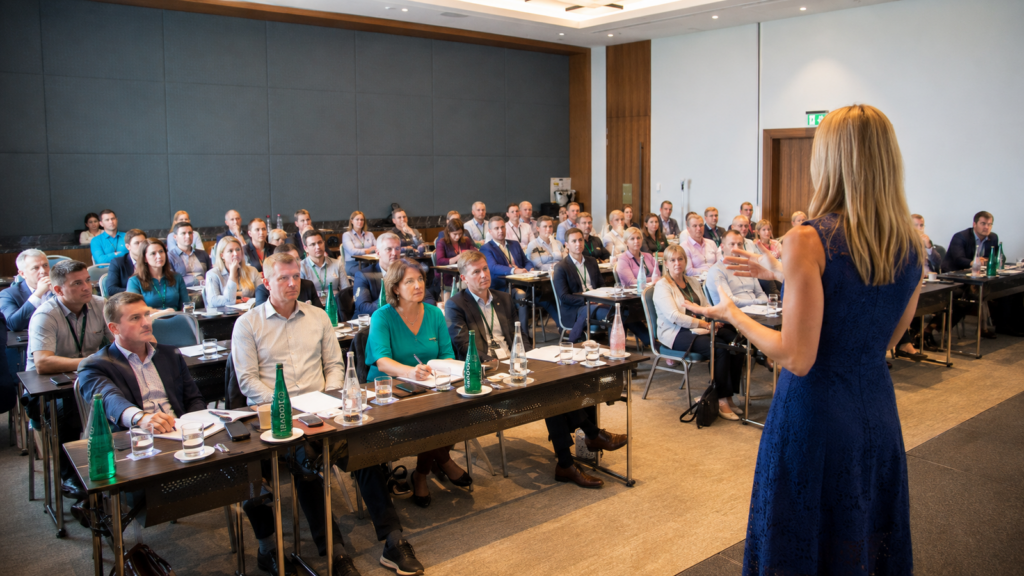
Designed For A Safe And Responsible Conversation
Before delivery, WeTrain can discuss:
1. Define the purpose
- the purpose and boundaries of the session
2. Understand the group
- the participant group and workforce context
- existing wellbeing, WHS and support frameworks
3. Align support
- the internal contacts and pathways participants should know
- how questions or live disclosures should be managed
4. Prepare participation
- sensitive topics that need careful handling
- accessibility and participation needs
- whether employees and leaders need different sessions
Participants can be offered alternatives to activities that feel too personal. Facilitators should not promise confidentiality beyond the limits of the session or take on a clinical role.
Why Organisations Choose WeTrain
Practical workplace training for Australian organisations since 1998.
- Practical rather than performative
The focus is on useful workplace actions, not wellness trends or motivational promises.
- Tailored to the real work
Examples can reflect frontline, operational, professional, regional, shift-based or hybrid environments.
- Clear scope and limits
The program separates education and skill development from clinical care, legal advice and psychosocial risk management.
- Experienced national delivery
WeTrain has delivered workplace training since 1998 and can support one team, multiple cohorts or a national rollout.
- Specialist trainer matching
Trainer selection considers the subject, workforce, sector context and sensitivity of the session.
- Quality supported by the WeTrain Institute
The WeTrain Institute supports trainer development and professional delivery across the network.
Recognised Workplace Training
WeTrain has received corporate and soft-skills training awards recognising its work with organisations.
Best Corporate Training Provider
APAC Insider 2026

Best Soft Skills Focused Corporate Training Provider
AI Global Media 2025
Best Bespoke Soft Skills Training Provider
Corporate Vision 2025
Business Training Service of the Year
Global Awards 2024/25
Best Corporate Training Provider
APAC Insider 2024
Frequently Asked Questions
Is workplace wellbeing training a substitute for psychosocial risk management?
No. Training can support awareness, practical skills and workplace conversations, but it does not replace the organisation’s responsibility to identify, assess and control psychosocial risks. The program should sit alongside the organisation’s WHS, HR and wellbeing processes.
Will participants be expected to discuss personal mental-health experiences?
No. Activities can focus on workplace scenarios, private reflection and practical skills. Participants should not be pressured to disclose personal health information, and alternatives can be offered for sensitive activities.
Can the session be tailored for frontline, shift-based or regional teams?
Yes. The examples, delivery format and practical activities can reflect the way the audience works, including operational demand, shift patterns, dispersed locations and public- or client-facing roles.
Is the program suitable for managers?
Yes, but managers often need a different emphasis. A leader session can focus on team conditions, listening, role boundaries, internal support pathways and when a concern requires escalation or organisational action.
Can the training align with our wellbeing program and support services?
Yes. WeTrain can incorporate your approved language, internal contacts and support pathways. Those details should be confirmed during discovery so participants receive accurate information.
Create A Wellbeing Conversation That Fits The Work
Tell us about your workforce, the pressures people face and the role you need training to play. We will help you define a practical and responsible program.
Australia-wide delivery | Tailored to your workforce | Clear professional boundaries