

Turn Market Activity Into Better Sales Conversations.
Practical sales and marketing training for teams that need a clearer path from the right audience and message to qualified conversations, useful follow-up and commercial next steps.
The workshop helps participants connect what the organisation says in the market with what salespeople ask, explain and do when a potential customer responds.






Marketing and Sales Should Not Tell Two Different Stories
Marketing may create attention, interest or an enquiry. Sales must then understand the need, qualify the opportunity, explain relevant value and continue the conversation. When the message changes at the handoff, trust and momentum are lost.
This program gives teams a practical shared view of the customer journey. It is not a list of social media trends and it is not a generic sales pep talk. It connects audience, problem, message, evidence, conversation and follow-up.
Define the right customer.
Clarify the problem you solve.
Use one credible value message.
Qualify before chasing every lead.
Connect campaigns to conversations.
Create disciplined follow-up.
The Gap Is Often Between Functions—not Inside One Channel
1. Marketing Creates Attention
The message, audience and call to action create an expectation.
- who is the activity designed to reach?
- what problem or goal does it speak to?
- what has been promised?
- what information is captured?
2. Sales Starts the Conversation
The salesperson must continue the same relevant conversation.
- acknowledge the enquiry context
- ask useful questions
- qualify fit and timing
- explain value consistently
- agree the next step
3. The Organisation Learns
Sales conversations reveal what the market message may be missing.
- recurring questions and objections
- language customers actually use
- lead-quality patterns
- reasons opportunities stall
- proof customers request
Five Stages Need Shared Language and Ownership
01. Attract
Reach the customer groups the organisation is equipped to serve.
02. Engage
Create a relevant reason to respond, enquire, meet or continue.
03. Qualify
Understand need, fit, timing, stakeholders and an appropriate next step.
04. Progress
Maintain relevance through discovery, recommendation, follow-up and decision.
05. Learn
Feed real customer language, questions and loss reasons back into the message and process.
The workshop makes responsibilities and handoffs visible so activity is easier to assess and improve.
More Leads Do Not Fix an Unclear Commercial Message
Participants can work through the commercial foundations that should connect marketing and sales:
Priority Customer
Who is a strong fit—and who is not?
Customer Problem
What practical issue, risk, cost or opportunity creates relevance?
Desired Outcome
What does the customer want to change or achieve?
Value Proposition
Why is the offer useful for this customer in this situation?
Evidence
What examples, experience, proof or process support the claim?
Difference
What meaningful distinction helps the customer compare options?
Call to Action
What is the next useful action for the customer to take?
Qualification
What must be understood before sales invests more time?
Follow-Up
Who follows up, when, through which channel and with what purpose?
Measures
Which indicators show attention, quality, progress and learning?
Internal Language Can Hide the Value
Marketing and sales teams often describe the organisation using category labels, product names and internal terminology that customers do not use.
Inside-Out
“Here are our services, features and internal capabilities.”
Outside-In
“Here is the problem we understand, the outcome we can support and the evidence that makes the conversation worth continuing.”
Test
Check whether the message is clear, relevant, credible and useful at this stage of the customer journey.
Participants can translate internal claims into customer relevance without making promises the organisation cannot support.
Choose Measures That Reveal Where the Journey Is Working
The workshop does not prescribe one dashboard. It helps teams distinguish activity from meaningful progress.
Attention
Reach, response, engagement or enquiry volume may show that a message is being seen.
Commercial Progress
Lead quality, meetings, qualified opportunities, next steps and conversion stages show whether conversations are moving.
Learning
Customer questions, objections, no-fit reasons and lost opportunities show what should change in the message or process.
Measures should reflect the organisation’s sales cycle, data quality and decision needs.
Connect the Message, Conversation and Follow-Up
WeTrain can tailor the workshop around a practical five-step sales and marketing sequence:
01. FOCUS
Define the priority customer, commercial problem, customer context and the outcomes the organisation can credibly support.
02. MESSAGE
Create a clear value message using customer language, relevant evidence, differentiation and an appropriate call to action.
03. ENGAGE
Choose activities and conversations that make sense for the audience, relationship and available capability.
04. QUALIFY
Use consistent questions to understand need, fit, timing, stakeholders, constraints and the right next step.
05. ADVANCE
Follow up with purpose, maintain the message and record what the organisation is learning from customers.
Work on the Breakpoint That Is Costing Momentum
The workshop can use current commercial problems such as:
Broad Targeting
“Our activity reaches people, but many enquiries are not a fit.”
Unclear Value
“Different employees explain what we do in completely different ways.”
Weak Handoff
“Sales cannot see the message or context that generated the lead.”
Inconsistent Qualification
“Every enquiry is treated as equally urgent and equally valuable.”
Generic Follow-Up
“The same follow-up is sent regardless of the customer’s question or stage.”
No Feedback Loop
“The sales team hears recurring objections, but that insight never reaches marketing.”
Participants can map the current journey, identify where momentum is lost and agree a practical improvement.
Clarity Comes Before Campaign Activity
A new platform, campaign or event can create activity without fixing the commercial foundation.
Channel-First Planning
Choose a channel. Produce content. Hope the right people respond. Hand every enquiry to sales.
Customer-First Planning
Define the customer, problem, message, proof, required response, qualification process, follow-up ownership and measures. Then choose the activity.
The training can reference current channels, but it is not a platform tutorial or substitute for specialist marketing implementation.
The First Sales Response Should Continue the Customer Journey
Participants can strengthen the handoff from response to commercial conversation:
Context
Know what message, referral, event or activity prompted the enquiry.
Questions
Understand the customer situation before explaining the entire offer.
Fit
Assess whether the need, timing and expectations are appropriate for both parties.
Value
Connect relevant capability to the need rather than reciting every service.
Next Step
Agree a clear action, owner and timing—or close the conversation respectfully when there is no fit.
This section can be adapted for inbound, referral, event, account-growth or outbound contexts without duplicating Telesales Training.
Consistency Matters When Several People Touch the Customer Journey
As campaigns, referrals or events create more activity, weak ownership becomes more visible. Training can help teams agree response expectations, qualification language, handoff information, CRM discipline, follow-up purpose and the feedback that should return to marketing and leadership.
Alignment Needs Decisions, Not Another Meeting
A sales and marketing workshop can create a practical working agreement between functions.
Set the Priority Customer
Which customers and opportunities deserve focus now?
Agree the Core Message
What problem, value, evidence and difference should remain consistent?
Define Lead Quality
What makes an enquiry relevant, ready or not yet qualified?
Set the Handoff
What information, ownership and response timing are required?
Review the Pipeline
Where are opportunities progressing, stalling or being disqualified?
Close the Learning Loop
What should customer conversations change about the message, offer or activity?
Create a Shared Commercial Working Session
Participants can map a real customer journey from first awareness to qualified next step, identify gaps, rewrite the core value message, define qualification questions and agree the handoff and feedback loop. The output can become a practical reference for the team after the workshop.
This Is Commercial Capability Training—not a Digital Marketing Qualification
The program can address customer focus, value proposition, messaging, lead generation choices, qualification, sales conversations, handoff, follow-up and measures.
It does not promise mastery of every advertising platform, CRM, analytics system, content discipline or specialist sales methodology in one day. Where a deeper technical or specialist capability is required, WeTrain should define that separately.
Create Clarity, Map the Journey and Agree the Next Changes
The established Marketing & Sales Training format is a one-day program.
Core Content
Can include: priority customers, customer problems, value proposition, message, activity choices, lead quality, qualification, sales conversations, handoffs, follow-up and measures.
Practical Application
Can include: journey mapping, current-message review, customer-language exercises, qualification scenarios, handoff design and a focused action plan.
The program can be extended where the organisation needs deeper sales practice, manager reinforcement or work between sessions.
Leave With Decisions the Team Can Use
Participants can work through a practical commercial design cycle.
1. Select the Customer
Choose a priority segment, account type or buyer situation.
2. Map the Journey
Identify activity, response, qualification, conversation, follow-up and decision points.
3. Test the Message
Check clarity, relevance, evidence and differentiation.
4. Practise the Conversation
Use questions to move from interest to a qualified next step.
5. Fix the Handoff
Clarify information, ownership, response time and feedback.
6. Agree the Measures
Choose indicators that show attention, quality, progress and learning.
The workshop should finish with a small number of clear decisions rather than a long list of disconnected ideas.
Who Should Attend?
Sales Teams
Connect lead context, qualification, value and follow-up.
Marketing Teams
Strengthen audience focus, customer language and the handoff to sales.
Business Development Teams
Create consistent messages and progress early commercial conversations.
Small Business Teams
Build a practical shared approach where the same people often handle both functions.
Account Managers
Use customer insight to identify relevant account-growth opportunities.
Sales and Marketing Leaders
Agree priorities, ownership, measures and team working practices.
Customer Service Leaders
Share recurring customer language and questions that can improve the market message.
Cross-Functional Growth Teams
Map the complete customer journey across several internal owners.
Real Training. Real Workplace Experience.
Mass Recruitment
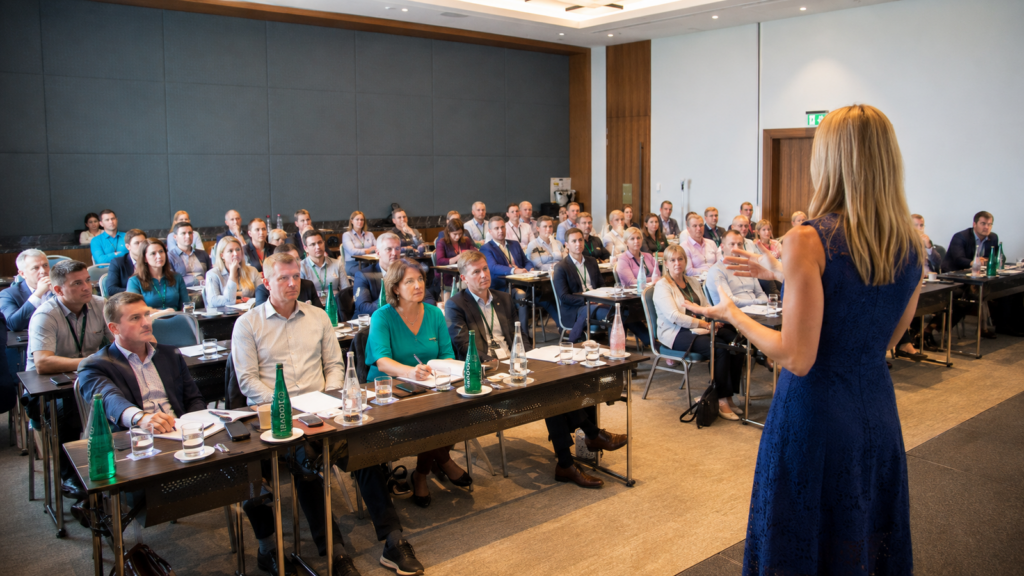
WeTrain tailored sales training for a group with different levels of sales experience.
“The trainer handled this extremely well, ensuring that we all got a great deal out of the training and some excellent skills to be able to implement in our organisation going forward.”
Senior Consultant, Mass Recruitment
Read more client experiences
Training Shaped Around Your Market and Sales Process
Before delivery, WeTrain can understand the offer, priority customers, current activity, enquiry sources, team roles, handoff process, qualification approach, sales cycle, common objections, CRM or tracking context, current measures and the practical commercial changes the organisation needs.
Sales & Marketing Training That Fits the Team
One-Day On-Site Workshop
The established format for mapping the journey and practising key conversations.
One-Day Live Online Workshop
Interactive delivery for dispersed sales, marketing and business-development teams.
Leadership Alignment Workshop
For leaders who need to agree focus, message, lead definition, ownership and measures.
Focused Half-Day Session
For a defined need such as value proposition, qualification or the sales-marketing handoff.
Multi-Session Program
For deeper application, manager reinforcement and review between sessions.
Multiple Cohorts
Consistent training across teams, divisions or locations.
National Delivery
Coordinated on-site and live online delivery across Australia.
Bring the People Who Own the Customer Journey
Around 3–12 participants supports detailed mapping, discussion and practice. Larger groups can be designed using role-based breakouts or several cohorts. For alignment work, the participant mix matters: include people who understand the market message, sales conversation, customer response and operating process.
Marketing & Sales Training Across Australia
Deliver on-site in Sydney, Melbourne, Brisbane, Perth, Adelaide, Canberra, Hobart, Darwin and regional Australia. Live online delivery is available for distributed sales, marketing and business-development teams.
Choose the Program That Matches the Commercial Gap
For deeper sales capability across discovery, value, objections, opportunity progress and follow-up.
For formal pitches, proposals, capabilities meetings and buyer-facing presentations.
For prospecting, qualifying and progressing opportunities by phone.
For starting, strengthening and maintaining professional relationships.
For resolving price, terms, scope and commercial trade-offs.
For service delivery, customer expectations and ongoing customer interactions.
Practical Workplace Training, Shaped Around Your People
Practical training tailored to your people, workplace situations and required outcomes.
27 Years of Workplace Training
100,000+ People Trained
75+ Specialist Trainers
WeTrain Institute
Real Workplace Scenarios
Practice and Feedback
Australia-Wide Delivery
Tailored around your customer journey, commercial message, team roles and real sales situations.
Recognised for Corporate Training Excellence
Best Bespoke Soft Skills Training Provider
Corporate Vision 2025
Best Corporate Training Provider
APAC Insider 2024
Business Training Service of the Year 2024/25
Global Awards 2024/25
Best Corporate Training Provider
APAC Insider 2026

Best Soft Skills Focused Corporate Training Provider
AI Global Media 2025
Marketing & Sales Training FAQs
Is this a digital marketing course?
No. The workshop can consider current channels and activity, but its focus is the commercial connection between customer focus, message, response, qualification, sales conversation, handoff and follow-up. It is not a technical platform or campaign-management qualification.
How is this different from general Sales Training?
Marketing & Sales Training focuses on how market activity and the sales process connect. A broader specialist Sales Training program can go more deeply into sales conversations, opportunity management, objections, negotiation and closing.
Can the workshop include our current marketing and sales process?
Yes. Current messages, lead sources, handoffs, qualification questions and follow-up practices can be reviewed where appropriate. Sensitive information can be anonymised.
Is the program suitable for a small team where the same people handle marketing and sales?
Yes. The program is especially relevant where employees share responsibility across marketing, business development, sales and customer follow-up.
Can marketing and sales leaders attend together?
Yes. A leadership alignment workshop can help decision-makers agree priority customers, message, lead definition, ownership, response expectations and useful measures.
Can the program be delivered across several locations?
Yes. WeTrain can coordinate on-site, live online or blended delivery across Australian locations and cohorts.
Create One Clearer Path From Attention to Commercial Action
Tell us how your organisation currently attracts, qualifies and progresses opportunities—and where momentum is being lost. We’ll shape the workshop around that customer journey.