

Help Your Team Represent the Business Well in Every Setting
Practical training for employees who meet clients, attend business events, work with senior stakeholders or represent your organisation in professional situations.
Build confidence around introductions, meetings, networking, digital communication, business functions and the everyday behaviours people notice.






On-Site and Live Online Business Etiquette Training
27 Years
Delivering Workplace Training
100k+
People Trained
75+
Specialist Trainers

Professionalism Is Often Shown in the Small Things
Business etiquette is not about memorising old-fashioned rules.
It is knowing how to behave in a way that makes other people feel comfortable, respected and confident dealing with you.
That can be as simple as knowing how to introduce two people properly.
It can mean joining a client meeting without dominating the conversation.
Knowing when to put the phone away.
Writing an email that sounds professional.
Starting a conversation at a networking event.
Or understanding what is expected when representing the company at a formal business dinner.
WeTrain’s Business Etiquette Training gives employees practical guidance for the professional situations they actually encounter.
The program can be shaped around your organisation, industry, clients and the environments your people need to navigate.
Create a professional first impression.
Know how to behave without feeling awkward or over-rehearsed.
Make clients, colleagues and stakeholders feel comfortable.
Represent the organisation consistently and confidently.
Informal Workplaces Still Have Professional Expectations
Many workplaces are less formal than they were twenty years ago.
Dress codes have relaxed.
Communication is faster.
Teams work remotely.
People move between email, chat, video calls and face-to-face meetings throughout the day.
But that does not mean professional expectations have disappeared.
Employees still need to know:
How should I introduce myself?
How formal should this conversation be?
Who should I introduce first?
How do I join a conversation at an event?
What do I do when I do not know anyone?
How should I behave at a client dinner?
Is this appropriate for email or should I call?
How do I work with people whose professional norms are different from mine?
When people are unsure, they often become overly formal, too casual or simply avoid the situation.
The purpose of training is to replace that uncertainty with practical judgement.
The Moments Where People Form an Impression of Your Business
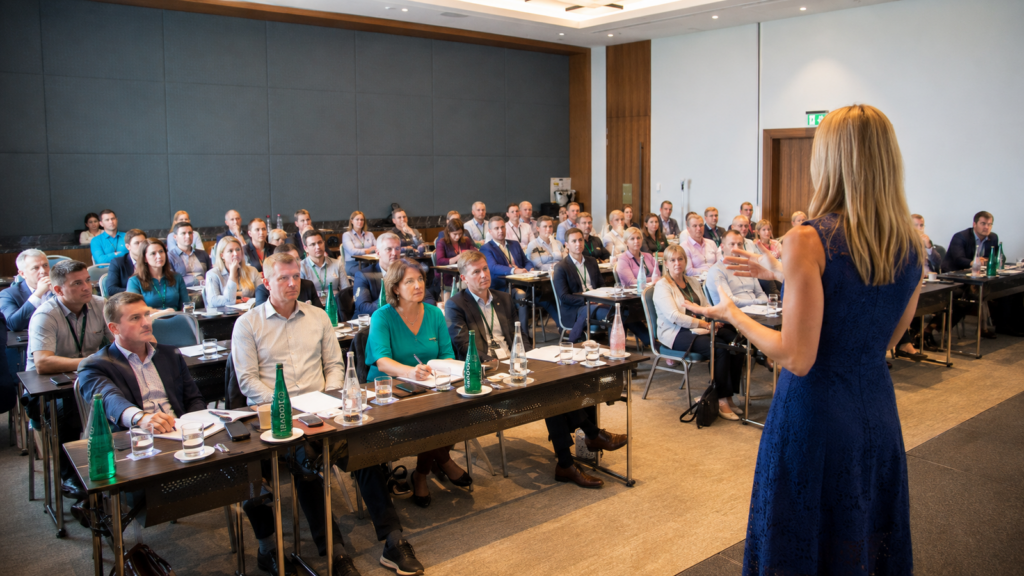
Meeting a Client for the First Time
The employee may need to introduce themselves, build rapport and set the tone for the relationship within the first few minutes.
Training can explore:
- Greetings
- Introductions
- Names
- Body language
- Starting the conversation
- Building rapport
- Reading the situation
Attending a Business Meeting
Professionalism is not only about what someone contributes.
It is also how they listen, interrupt, disagree and interact with others in the room.
Training can explore:
- Arriving prepared
- Introductions
- Seating
- Listening
- Contributing appropriately
- Handling disagreement
- Phones and devices
- Closing the meeting professionally
Networking When You Know Nobody
For many employees, networking is one of the most uncomfortable professional situations.
Training can explore:
- Entering a room
- Starting conversations
- Introducing yourself naturally
- Small talk
- Joining an existing conversation
- Moving on without being abrupt
- Remembering names
- Following up afterwards
Representing the Business at an Event
Conferences, industry events, awards nights and corporate functions place employees in a less structured environment while they are still representing the organisation.
Training can explore:
- Professional conduct
- Conversation
- Alcohol and judgement
- Introductions
- Networking
- Senior stakeholders
- Knowing when to move from social conversation to business
Hosting a Client Meal
Business dining can create uncertainty because participants are trying to have a useful conversation while also navigating the meal itself.
Training can explore:
- Hosting and guest roles
- Seating
- Ordering
- Table etiquette
- Managing conversation
- Phones
- Paying the bill
- Keeping the focus on the relationship
Make the First Interaction Easier for Everyone
WeTrain’s program places significant emphasis on first impressions, greetings and rapport.
Introduce Yourself Clearly
Say who you are without overcomplicating the introduction.
Use Names Properly
Listen for the person’s name and use it appropriately.
Introduce Other People
Understand how to bring two people into a conversation without leaving either person unsure of who the other is.
Make Eye Contact
Show attention without turning it into a staring contest.
Use Appropriate Body Language
Posture, facial expression and physical distance all influence how comfortable the interaction feels.
Start the Conversation
Have a simple way to move beyond “hello” without forcing artificial small talk.
Read the Environment
A formal board meeting requires a different approach from an informal industry event.
Remove the Awkwardness From Introductions
The training can give participants a simple approach to professional introductions:
Give Context
Do not simply say two names and walk away.
Help each person understand who the other is.
Use the Name Clearly
Make sure both people can hear and understand the introduction.
Include Relevant Information
A role, organisation or shared connection can help the conversation start naturally.
Do Not Overthink Hierarchy
The goal is not to turn introductions into a complicated protocol exercise.
The goal is to help people enter the conversation comfortably.
Professional Conversation Is a Skill
Small talk often gets dismissed as meaningless conversation.
In business, it can serve an important purpose.
It gives people time to establish comfort and build enough rapport to move into a more substantive discussion.
WeTrain’s program includes ten principles around small talk and moving naturally into business conversation.
Training can help participants become more comfortable with:
- Starting a conversation
- Asking open questions
- Listening rather than interviewing the other person
- Finding common ground
- Avoiding overly personal questions
- Moving from general conversation into business
- Including other people
- Ending a conversation naturally
Networking Should Not Feel Like Collecting Business Cards
Networking works better when the focus is on having a useful conversation rather than trying to “work the room”.
Participants can develop practical skills around:
Approaching People
Start conversations without waiting for someone else to make the first move.
Joining a Group
Recognise when and how to join an existing conversation.
Introducing Others
Make it easier for colleagues and contacts to connect.
Listening
Ask useful questions rather than spending the conversation talking about yourself.
Exiting Gracefully
Know how to move on without making the other person feel dismissed.
Following Up
Use the interaction as the beginning of a professional relationship rather than the end of one.
Business Etiquette Now Includes the Screen
The program covers professional etiquette across phone and online communication.
Email Etiquette
Consider:
- Appropriate tone
- Clear subject lines
- Response expectations
- CC and reply-all
- Formality
- Sign-offs
- Sending messages when emotional
Messaging & Chat
Quick communication should not become careless communication.
Participants can consider:
- Tone
- Context
- Appropriate channels
- Response expectations
- Overuse of group chats
Video Meetings
Professional behaviour still matters when people are joining remotely.
This can include:
- Joining on time
- Being prepared
- Muting appropriately
- Interruptions
- Background distractions
- Participation
- Eye contact and camera use where relevant
Phone Etiquette
Greetings, tone, transfers, interruptions and how the call is closed all shape the impression of the organisation.
For deeper development in telephone communication, explore Telephone Skills Training.
Professional Does Not Mean Everyone Has to Look or Sound the Same
Professional presence should be about helping employees understand the expectations of the environment they are entering, not prescribing one narrow appearance standard.
Training can explore:
Presentation
Does the way you present yourself suit the role, client environment and occasion?
Body Language
Do your posture, facial expression and physical behaviour support the interaction?
Attention
Are you present in the conversation or checking your phone?
Voice
Do you sound confident and approachable?
Situational Awareness
Can you adjust your behaviour between an internal meeting, a client lunch and a formal event?
Organisational Expectations
Where your business has professional presentation or conduct standards, these can be incorporated into the program.
What Feels Normal to You May Not Feel Normal to Someone Else
Professional expectations are not identical everywhere.
Eye contact, hierarchy, introductions, directness, personal space, gift-giving, dining and meeting behaviour can all vary across cultures and business environments.
Business Etiquette Training can build awareness around:
- Avoiding assumptions
- Recognising that norms differ
- Asking when unsure
- Respecting different approaches
- Preparing before international meetings or events
- Adapting communication appropriately
The goal is not to teach participants a list of stereotypes about different cultures.
It is to develop the awareness and judgement to recognise when their own professional norms may not be universal.
For a primary focus on cross-cultural workplace communication, explore Managing Across Cultures Training.
Your Team Is Part of the Client Experience
A client may judge the organisation through the behaviour of:
- Reception
- An account manager
- An executive assistant
- A salesperson
- A consultant
- A technician
- A manager
- An executive
Business etiquette creates a shared professional standard across those interactions.
That can include:
Being Prepared
Know who you are meeting and why.
Showing Respect for Time
Arrive when expected and communicate if something changes.
Giving Full Attention
Avoid unnecessary distractions.
Communicating Appropriately
Match the level of formality to the environment.
Following Through
Do what you said you would do.
Closing the Interaction Well
Leave the client clear about what happens next.
Useful Wherever Employees Represent the Organisation
The program is aimed at client-facing, externally visible and professionally sensitive roles.
Graduates & Early-Career Professionals
For employees entering professional workplaces who may not yet have learned the unwritten expectations.
Customer & Client-Facing Teams
For people whose everyday behaviour influences how customers perceive the organisation.
Sales & Account Managers
For employees developing relationships with prospects, clients and stakeholders.
Executive Assistants
For people representing senior leaders and often interacting with executives, clients and external stakeholders.
Managers & Leaders
For employees attending important meetings, events, client functions and business dinners.
Professional Services Teams
For consultants, advisers and specialists whose personal conduct forms part of the client experience.
Brand Ambassadors & Representatives
For employees attending conferences, industry events and public-facing activities.
International-Facing Teams
For people working with overseas clients, suppliers or colleagues where professional norms may differ.
Graduate & Emerging Leader Programs
Business etiquette can also form part of broader professional-development or graduate training.
Imagine This Is Your Employee’s First Major Client Event
They arrive and know almost nobody.
A senior client walks in.
Their manager asks them to make an introduction.
Dinner follows.
They are seated beside someone they have never met.
The conversation moves from personal topics to business.
Later, someone introduces them to an international partner.
The next morning they need to send a follow-up email.
There are no complicated technical skills here.
But there are dozens of small professional decisions.
That is where Business Etiquette Training helps.
Participants can practise those situations before the stakes are real.
Practical, Interactive and Tailored to Your Workplace
WeTrain’s established Business Etiquette Training is generally delivered as an engaging one-day program.
One-Day Program
A complete program covering professional interactions, introductions, networking, meetings, digital etiquette, events and practical workplace application.
Half-Day Workshop
Useful where the organisation wants to focus on a smaller number of etiquette priorities.
On-Site Training
Deliver the program at your workplace and shape the examples around your professional environment.
Off-Site Training
Training can be delivered at a venue selected by your organisation.
Live Online Training
Useful where participants are working across locations or digital professionalism is a significant part of the requirement.
Conference or Development-Day Session
Selected content can be adapted into a shorter format for a corporate event, graduate development program or staff development day.
Multiple Groups
Larger organisations can deliver the same professional standards across several teams or locations.
Small groups are ideal where practice and feedback matter; larger requirements can be split into multiple sessions or another suitable format.
A Law Firm and a Field-Service Team Do Not Need the Same Etiquette Program
Before delivery, we can discuss:
- Who will attend
- Their roles
- Who they interact with
- Client expectations
- Industry norms
- Internal professional standards
- Events they attend
- International relationships
- Current etiquette concerns
- Common awkward situations
- Graduate or onboarding requirements
- Professional environments participants need to navigate
Then the program can concentrate on the situations that matter.
Professional Services
Client meetings, networking, executive interactions and formal business settings.
Government & Public Sector
Meeting protocol, stakeholder interactions, professional communication and public representation.
Healthcare
Professional communication, patient-facing behaviour, stakeholder meetings and industry events.
Sales & Account Management
First impressions, networking, hospitality and client relationships.
Graduate Programs
Professional expectations, introductions, meetings, communication and workplace confidence.
International Business
Professional awareness when working with people from different cultural backgrounds.
Practise the Situation Before You Are in It
Business etiquette is difficult to learn from a list of rules.
Participants should have opportunities to apply the principles.
Introductions
Practise introducing yourself and other people.
Conversation
Work through professional small talk and moving naturally into business.
Networking
Practise entering, maintaining and leaving conversations.
Meetings
Explore behaviours that help meetings feel professional and respectful.
Events
Work through corporate functions, client meals and formal situations.
Digital Communication
Consider realistic email, phone, chat and video-meeting situations.
Feedback
Receive practical trainer guidance throughout the session.
Turn Etiquette Into Shared Expectations
For organisations developing several employees at once, the program could finish with a short Professional Standards Agreement.
The team might agree on areas such as:
How we greet clients.
How we introduce colleagues.
What we expect in client meetings.
How we use phones during professional interactions.
How quickly we acknowledge important correspondence.
How we behave when representing the organisation at events.
How we handle differences in professional or cultural expectations.
How we follow up after meetings and networking events.
This gives the organisation something more useful than participants simply remembering a few etiquette tips.
Is Business Etiquette the Right Fit?
Business Etiquette Training
Best for:
Professional behaviour, presence and conduct across business situations.
Focus:
Introductions, meetings, networking, client events, digital etiquette and professional expectations.
Best for:
Broader interpersonal communication.
Focus:
Listening, questioning, clarity and workplace conversations.
Best for:
Emails, written correspondence and business documents.
Best for:
Professional communication specifically over the phone.
Best for:
Teams where cross-cultural workplace communication is the main development need.
Best for:
Teams whose main priority is customer interactions and service standards.
Modern Etiquette Training Built Around Real Business Situations
WeTrain has delivered workplace communication and professional-skills training since 1998.
Business Etiquette combines established professional standards with practical training shaped around the environments your employees need to navigate.
27 Years of Workplace Training
Experience developing communication, professional skills and workplace capability.
75+ Specialist Trainers
WeTrain can match the trainer to your audience, industry and development requirement.
WeTrain Institute
Our trainers undertake WeTrain’s own trainer development and quality process.
Tailored Professional Scenarios
Training can reflect the clients, events and business situations your employees encounter.
Practical Delivery
Participants discuss and practise professional situations rather than simply reading a list of etiquette rules.
B2B Focus
The program is designed for teams and organisations, not as a general finishing-school course.
Australia-Wide Delivery
Training can be coordinated on-site, live online or across multiple groups and locations.
Recognised for Corporate Training Excellence

Best Bespoke Soft Skills Training Provider
Corporate Vision 2025

Best Corporate Training Provider
APAC Insider 2024
Business Training Service of the Year
Global Awards 2024/25

Best Corporate Training Provider
APAC Insider 2026

Best Soft Skills Focused Corporate Training Provider
AI Global Media 2025
Common Questions About Business Etiquette Training
Is Business Etiquette Training still relevant in a less formal workplace?
Yes, although the content has changed.
Modern business etiquette is less about rigid formality and more about understanding professional expectations, respecting other people’s time and comfort, communicating appropriately and knowing how to represent the organisation in different settings.
That includes client meetings, email and digital communication, networking, corporate events, video calls and other situations that may be much less formal than a traditional boardroom.
Can the training be tailored to the situations our employees actually encounter?
Yes.
A graduate group entering a professional-services firm may need very different training from senior managers preparing for international client functions.
Before delivery, WeTrain can discuss participant roles, client environments, events, professional standards and the situations employees find uncertain. The program can then focus on the areas most relevant to your organisation.
Does Business Etiquette Training include networking and business dining?
It can.
The established WeTrain program includes professional introductions, small talk, networking, corporate functions and business dining.
The level of emphasis can be adjusted depending on whether these situations are important to the participants.
Does the program include email, phone and online etiquette?
Yes.
Modern professional conduct extends beyond face-to-face situations. Training can cover email, telephone, chat and video-meeting etiquette alongside meetings, introductions and professional events.
Where written or telephone communication requires deeper development, WeTrain also offers dedicated Business Writing and Telephone Skills programs.
Who should attend Business Etiquette Training?
The program can be useful for graduates, customer-facing employees, sales and account teams, executive assistants, managers, executives, professional-services employees, brand representatives and teams that regularly interact with clients or stakeholders.
It can also be incorporated into graduate programs, onboarding, leadership development or broader professional-skills training.
Make Professional Situations Feel Less Awkward and More Natural
Tell us who needs training, the situations they represent your business in and where greater professional confidence would make a difference.
We’ll shape the content and trainer around your organisation.