

Help People Move Through Change, Not Just Hear About It
Practical workplace training for employees, managers and teams navigating new systems, structures, processes, leadership, technology or ways of working.
Help your people understand what is changing, respond more constructively, communicate clearly and turn a new direction into something they can actually work with.






On-Site and Live Online Change of Management Training
27 Years
Delivering Workplace Training
100k+
People Trained
75+
Specialist Trainers

Announcing the Change Is the Easy Part
A new system can be installed in a day.
A new organisational structure can appear on a slide.
A new process can be approved.
That does not mean people immediately understand it, support it or know how to work differently.
The human side of change is usually where the harder work begins.
WeTrain’s Change Management Training helps people understand what happens during workplace change, why different people respond differently and what employees and leaders can do to make the transition clearer and more workable.
The program covers reactions to change, resistance, the change cycle, stress, letting go of familiar ways of working and developing practical strategies for adapting.
It connects those ideas to the practical challenges organisations face when implementing change.
Help people understand what is changing and why.
Give managers practical ways to support their teams.
Address resistance without simply labelling people as difficult.
Turn a change announcement into clearer workplace action.
Change Management Is Not Only for Major Restructures
The program can be shaped around a specific organisational change or used to develop broader change capability.
New Systems & Technology
CRM platforms, software, automation, AI tools or other technology that changes how people work.
New Processes
Changes to workflows, procedures, reporting, service delivery or operational standards.
Organisational Restructure
Changes to teams, responsibilities, reporting lines or roles.
Leadership Change
A new manager, executive team or leadership direction.
Growth
Rapid expansion, new locations, new teams or employees taking on different responsibilities.
Mergers & Integration
Employees learning to work across different teams, systems, cultures or expectations.
Workplace & Location Changes
Office moves, new sites, hybrid arrangements or changes to where and how teams work.
Customer Experience Changes
New service standards, customer processes or expectations that require employees to behave differently.
Regulatory or Compliance Change
New requirements that affect processes, responsibilities or everyday work.
Culture & Behaviour Change
Changes that depend less on a new system and more on people adopting different behaviours.
Different People Have Different Roles in Change
Employees, managers and implementation teams have different roles in workplace change.
WeTrain shapes the program for each audience while keeping delivery tailored and practical.
Employees Experiencing Change
Understand What Is Happening and How to Move Forward
Employees may need support to understand their own response, work through uncertainty and adapt to new expectations.
Training can include:
- Different reactions to change
- Understanding the transition process
- Recognising concerns and assumptions
- Managing uncertainty
- Asking useful questions
- Focusing on what can be influenced
- Adapting to new expectations
- Identifying practical next steps
- Building confidence with new ways of working
Managers & Team Leaders
Lead the Team Through the Transition
Managers sit between the change itself and the people expected to adopt it.
Employees often look to their immediate manager for answers, context and cues about how seriously to take the change.
Training can include:
- Understanding the manager’s role
- Communicating the reason for change
- Translating organisational messages for the team
- Responding to questions
- Listening to concerns
- Working with resistance
- Supporting employees differently
- Managing uncertainty
- Reinforcing new behaviours
- Keeping communication going after launch
Change, Project & Implementation Teams
Strengthen the People Side of Implementation
Project managers, HR teams, L&D, communications teams and internal change champions may need a broader understanding of how employees experience the change.
Training can include:
- Identifying impacted groups
- Understanding change readiness
- Stakeholder considerations
- Communication planning
- Anticipating resistance
- Manager involvement
- Feedback loops
- Adoption barriers
- Reinforcement
- Keeping people considerations connected to implementation
This is not intended to replace formal practitioner certification or a complete enterprise change methodology. It gives internal teams practical skills for improving the people side of workplace change.
Change Needs Support at More Than One Point
A common mistake is to concentrate all communication around launch day.
People may need different information and support at different stages.
Before the Change
Prepare People for What Is Coming
Employees are trying to understand:
Why is this happening?
What will change?
What does this mean for me?
When will it happen?
What will I need to do differently?
Training can help leaders communicate the context clearly, identify likely concerns and prepare managers before employees start asking questions.
During the Change
Help People Work Through the Transition
This is where uncertainty often becomes practical.
Employees are trying to learn a new system, process, role or behaviour while continuing to do their normal work.
Training can help people:
- Ask questions
- Work through uncertainty
- Recognise old habits
- Practise new behaviours
- Discuss barriers
- Understand expectations
- Find support
- Respond more constructively when something does not work immediately
After the Change
Make the New Way of Working Normal
A change is not embedded simply because the launch date has passed.
Managers and teams may need to reinforce:
- New expectations
- New behaviours
- New processes
- Accountability
- Coaching
- Feedback
- Problem solving
- Progress
- What has improved
- What still needs work
Resistance Is Information
Calling employees “resistant to change” can hide what is actually happening.
Someone may be concerned because they:
- Do not understand why the change is needed
- Think something valuable is being lost
- Do not trust the information they have received
- Do not believe the new approach will work
- Feel they lack the skills required
- Are worried about their role
- Have seen previous changes fail
- Feel the change creates more work
- Have not been involved in decisions that affect them
- Are simply comfortable with the current way of working
The goal is not to agree with every objection.
It is to understand what is driving the response before deciding how to address it.
Listen First
Understand the concern rather than immediately trying to sell the change.
Separate Facts From Assumptions
Clarify what is known, what is undecided and what may have been misunderstood.
Explain the Why
People are more likely to engage when the reason for change makes sense.
Be Clear About What Will Not Change
Not everything is necessarily being replaced.
Acknowledge the Impact
Avoid pretending a significant change will be easy if it genuinely creates disruption.
Build Capability
Some resistance is really a confidence or skills problem.
Reinforce Progress
People need to see that the change is becoming workable.
People Need More Than “We Sent an Email”
Communication during change is not simply distributing information.
Managers need to be able to explain the change in language their team understands and respond when the questions become more specific.
Explain the Reason
Why is the organisation changing?
Explain the Impact
What is likely to be different for this team?
Explain What Is Known
Give people accurate information rather than filling gaps with assumptions.
Be Clear About What Is Not Yet Known
Honesty about uncertainty is usually more useful than pretending every detail has been finalised.
Allow Questions
Employees need somewhere to raise concerns and clarify what the change means.
Repeat Important Messages
One announcement does not create understanding.
Explain What Happens Next
People should know what is expected of them and where they can get support.
Questions Managers Should Be Ready to Answer
Before communicating change to a team, managers should be able to answer:
Why?
Why is this change happening?
What?
What exactly is changing?
When?
What is the timeline?
Who?
Who is affected?
How?
How will the change alter everyday work?
What Stays the Same?
What remains familiar or unchanged?
What Do You Need From Me?
What is the manager responsible for communicating, coaching or reinforcing?
What Do I Need From My Team?
What actions or behaviours are expected?
Where Do People Get Help?
Who answers questions or provides additional training?
How Will We Know It Is Working?
What will indicate that the new way of working is becoming established?
Build the Program Around the Change You Are Actually Making
Scenario 1: Introducing a New System
Employees understand the technical training but continue using workarounds from the old system.
Training can explore:
- Why people return to familiar habits
- Manager reinforcement
- Confidence
- communication
- identifying barriers
- practical adoption conversations
Scenario 2: Organisational Restructure
Reporting lines, responsibilities and team relationships are changing.
Training can explore:
- uncertainty
- letting go of familiar structures
- role clarity
- manager communication
- questions employees may have
- building a workable new team environment
Scenario 3: New Leadership
A new leader is introducing different priorities and expectations.
Training can explore:
- communicating the new direction
- acknowledging previous ways of working
- employee reactions
- listening
- building credibility
- clarifying expectations
Scenario 4: AI or Automation Adoption
New tools are changing how employees complete parts of their role.
Training can explore:
- concerns about role impact
- uncertainty
- learning new ways of working
- communicating what the technology will and will not change
- confidence
- realistic expectations
- employee involvement
Scenario 5: Service Transformation
The organisation wants frontline employees to adopt a new customer-service model.
Training can explore:
- why behaviour change is harder than announcing standards
- manager reinforcement
- practical service behaviours
- feedback
- consistency
- embedding the new approach
Scenario 6: Growth & New Teams
The organisation has grown rapidly and informal ways of working no longer scale.
Training can explore:
- changing responsibilities
- new processes
- communication
- identity
- role clarity
- adapting to more structure
Practical Skills for Navigating and Leading Workplace Change
The exact program depends on the audience and the change involved.
Understanding Reactions to Change
Recognise that people respond differently and that there is no single “correct” emotional response.
The Change Cycle
Understand how people may move through different stages as they leave familiar ways of working and adjust to something new.
Letting Go of the Old Way
Recognise that adoption may require people to stop relying on familiar systems, habits, relationships or routines before the new approach becomes normal.
Managing Uncertainty
Develop practical ways to stay constructive when not every detail is known.
Communication Through Change
Explain the change clearly, listen to concerns and make next steps easier to understand.
Resistance & Objections
Identify what may sit underneath resistance and choose an appropriate response.
Change Leadership
Help managers understand how their behaviour, communication and attitude influence the team.
Supporting Adaptation
Help employees build confidence and capability in new ways of working.
Reinforcement
Keep the change visible after implementation rather than assuming adoption will happen automatically.
Workplace Application
Identify specific behaviours participants will use during the change currently affecting their organisation.
Change Training Grounded in Real Workplace Situations
Ontex Manufacturing has used WeTrain across several workplace-development areas, including Change Management, leadership communication and account management.
Its published feedback specifically highlights the use of group interaction and real-life scenarios, as well as employees leaving workshops with new awareness about themselves and their workplace.
“The workshops provided engagement through group interaction, using real-life scenarios.”
HR/Payroll, Ontex Manufacturing Pty Ltd
A Practical Day Focused on the Change in Front of You
WeTrain’s established Change Management Training is generally delivered as an interactive one-day program.
That works particularly well where the organisation wants to:
- Prepare people for an upcoming change
- Develop manager capability
- Support employees during implementation
- Reset a change that has lost momentum
- Create a shared approach across a team
- Give employees practical tools for adapting
On-Site Training
Deliver the program where your people work and connect the learning directly to the organisational context.
Live Online
Useful for remote or geographically distributed teams.
Multiple Groups
Deliver a consistent core program across departments, teams or shifts.
Manager + Employee Sessions
Managers and employees can complete different versions of the training so each group focuses on its role in the transition.
Multi-Session Programs
For larger or longer transformations, learning can be spread across several sessions rather than treating change capability as a one-off workshop.
Multiple Locations
WeTrain can coordinate training across offices, regions and states.
Staff Development Days & Offsites
Selected Change Management content can also form part of a staff development day, leadership offsite or company away day.
Use the Change Your People Are Actually Dealing With
Generic change theory only goes so far.
Before delivery, WeTrain can learn about:
- What is changing
- Why the change is happening
- Who is affected
- Current employee understanding
- Manager capability
- Likely resistance
- Communication already provided
- Changes to systems or processes
- New responsibilities
- Timing
- Training already planned
- What successful adoption would look like
The program can then use realistic situations and discussions that connect directly to that environment.
Your Language
Use terminology employees recognise.
Your Change
Focus on the actual transition rather than an unrelated fictional case study.
Your Managers
Develop the conversations managers will genuinely need to have.
Your Employees
Address the questions and concerns most relevant to the people experiencing the change.
Your Next Steps
Finish with practical actions participants can take after the session.
New Technology Changes More Than the Tool
AI, automation and new platforms are creating a growing change-management requirement for businesses.
The technical implementation may be handled by IT, project teams or external providers.
But employees still need answers to questions such as:
Why are we introducing this?
What will it change in my role?
What will still require human judgement?
What am I expected to learn?
How will performance expectations change?
What happens if the new process does not work as expected?
How should customer or confidential information be handled?
WeTrain can incorporate technology and AI adoption into Change Management Training where that is the live organisational context.
The training should complement the organisation’s own technical, security, privacy and governance requirements rather than replace them.
Do You Need Workplace Change Training or Practitioner Certification?
WeTrain Change Management Training
Best for:
Employees, managers, leaders and internal teams who need practical skills for navigating or leading workplace change.
Focus:
Reactions to change, communication, resistance, manager capability, workplace application and supporting people through transition.
Formal Change Management Certification
Best for:
People whose professional role is to design and manage complex organisational change programs using a formal methodology.
Focus may include:
Enterprise frameworks, formal change plans, impact assessments, methodology certification and practitioner-level tools.
WeTrain’s focus is practical workplace training tailored to the organisation and people experiencing the change.
Change Management Can Be Part of a Wider Development Program
Depending on what is changing, another WeTrain program may complement the change work.
For managers who need broader capability leading people, not only through one change.
For teams where clearer everyday communication is part of the challenge.
Where organisational change is creating disagreement or tension between employees or teams.
Where self-awareness, emotional responses and interpersonal behaviour are an important part of the transition.
For leaders supporting employees as they build confidence in new responsibilities or skills.
For internal people who need to teach new systems, processes or workplace practices.
Where the change requires several capabilities to be combined into a broader program.
Work on the Change, Not Just the Theory
The program should give participants opportunities to connect change concepts to what is actually happening.
Discuss
Explore the reality of the current or upcoming change.
Reflect
Understand personal responses, assumptions and concerns.
Practise
Work through manager conversations, employee questions and realistic scenarios.
Plan
Identify actions participants can take in their role.
Challenge
Examine behaviours or habits that may be slowing adoption.
Apply
Leave with clear next steps for the workplace.
Start With the Change, Then Shape the Training
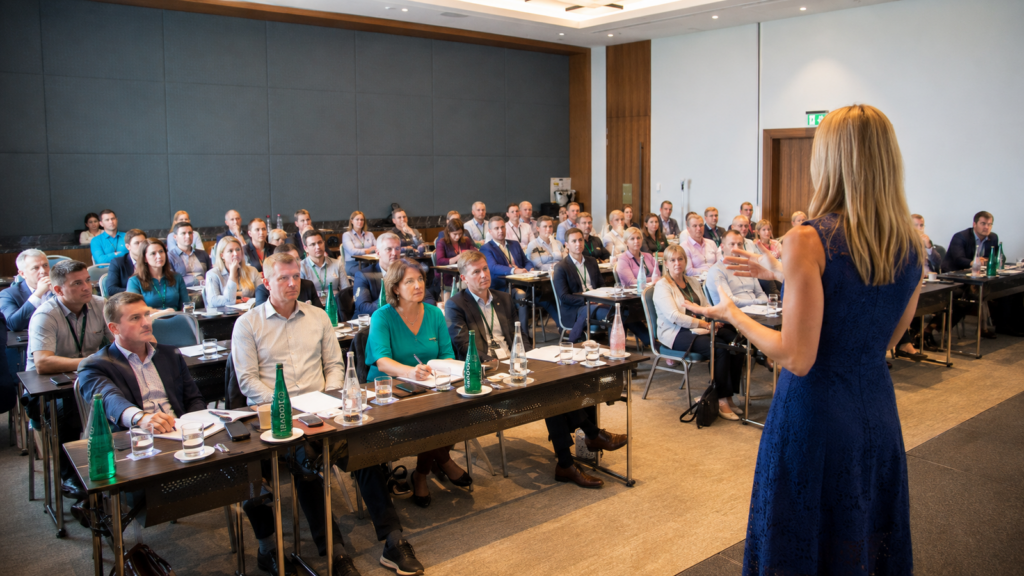
01. Understand What Is Changing
We start with the organisational context.
This can include:
- Systems
- processes
- structure
- people
- technology
- expectations
- timing
- impact
02. Identify Who Needs What
Employees, managers and change teams may require different development.
03. Shape the Program
We select the relevant content, scenarios and exercises around the change.
04. Practise the Conversations
Participants work through realistic situations rather than only reviewing a model.
05. Apply It During the Change
Participants leave with practical actions connected to their role in the transition.
Change Training Shaped Around the People Living Through It
WeTrain has delivered practical workplace training since 1998.
The strength of the program is not a proprietary change methodology. It is the ability to take established change-management principles and make them relevant to the people, managers and teams inside a real organisation.
27 Years of Workplace Training
Experience working with organisational change, leadership, communication and workplace behaviour.
75+ Specialist Trainers
We can match a facilitator to the audience, industry and change requirement.
WeTrain Institute
Our trainers undertake WeTrain’s internal trainer development and quality process.
Real Workplace Scenarios
The program can use situations relevant to the change your people are navigating.
Different Audiences
Employee, manager and leadership content can be adjusted rather than giving everybody the same workshop.
Flexible Delivery
One-day training, shorter sessions, multi-session programs, live online, multiple groups and national delivery.
Australia-Wide
WeTrain can coordinate change training across teams, offices and regions.
Recognised for Corporate Training Excellence
Best Bespoke Soft Skills Training Provider
Corporate Vision 2025
Best Corporate Training Provider
APAC Insider 2024
Business Training Service of the Year
Global Awards 2024/25
Best Corporate Training Provider
APAC Insider 2026

Best Soft Skills Focused Corporate Training Provider
AI Global Media 2025
Common Questions About Change Management Training
Who should attend Change Management Training?
The right audience depends on the change.
Employees may need help understanding the transition and adapting to new expectations. Managers and team leaders may need stronger skills in communication, resistance, coaching and reinforcement. HR, L&D, project teams and internal change champions may need a wider understanding of how the change affects different stakeholder groups.
WeTrain can shape the program differently for each audience rather than expecting the same session to meet every need.
Can the training be built around a change already happening in our organisation?
Yes.
This is generally more useful than keeping the program entirely theoretical.
Before delivery, WeTrain can learn about the change, the people affected, what has already been communicated and where the organisation expects the greatest challenges.
Relevant examples and scenarios can then be incorporated without requiring confidential organisational information to be disclosed unnecessarily.
Does Change Management Training deal with resistance to change?
Yes.
The program can help participants understand why resistance occurs and distinguish between different causes, such as uncertainty, lack of information, concerns about role impact, loss of confidence, poor past experiences or disagreement with the change itself.
The objective is not to force people to “be positive”. It is to develop clearer communication and more practical ways of responding.
Is this a formal change-management certification?
No.
WeTrain’s program is practical workplace training designed for organisations wanting to support employees and managers through change.
Formal practitioner certification, such as Prosci or accredited change-management qualifications, serves a different purpose and is more appropriate for people whose role is to professionally design and manage large change programs.
How is Change Management Training delivered?
WeTrain’s established program is generally delivered as an interactive one-day workshop.
Depending on the change and audience, it can also be adapted into focused sessions, manager-specific workshops, multiple groups, live online delivery, multi-session programs or coordinated training across several locations.
Give Your People More Than an Announcement
Tell us what is changing, who it affects and where your people need the most support.
We’ll help shape the training around the transition, your managers and the people expected to make the new way of working happen.