

Influence & Persuasion Training
Build Support and Shape Decisions Without Relying on Authority
Good ideas do not move forward on merit alone. People need to understand the case, see how it connects to their priorities and feel confident about what happens next.
Core program: One day
Delivery: On-site, live online or off-site
Location: Australia-wide
Designed for: Workplace teams and leaders who need to influence without always having formal authority
27+ Years
Delivering Workplace Training
100k+
People Trained
75+
Specialist Trainers







Influence Is a Workplace Skill, Not a Job Title
WeTrain’s Influence & Persuasion Training gives people a practical and ethical approach to gaining stakeholder support. Participants learn how to read the decision environment, prepare a persuasive case, adapt to different people, respond to resistance and turn agreement into clear action.
The program is tailored to your organisation, your people and the decisions they need to influence. It can be delivered on-site anywhere in Australia or live online for geographically dispersed teams.
Many important decisions depend on people who do not report to you.
A project manager may need resources from another business unit. A technical specialist may need an executive to support a recommendation. A team leader may need experienced employees to adopt a new process. An HR or People and Culture team may need managers across the organisation to change how they work.
Formal authority is limited in each of these situations. The person still needs to create understanding, establish credibility and build enough support for a sound decision.
This program helps participants do that without manipulation, pressure or positional power. It treats influence as a practical workplace process: understanding the people involved, presenting a relevant case, inviting constructive dialogue and agreeing on a useful next step.
Why Sound Ideas Can Still Stall
Influence often breaks down before the important conversation even begins.
| What happens | What may be missing |
|---|---|
| A strong proposal is rejected quickly | The case was built around the presenter’s priorities, not the decision-maker’s concerns |
| A meeting produces interest but no decision | The desired outcome and next step were not clear |
| Evidence is presented but does not persuade | The information was accurate, but its relevance or consequence was not made visible |
| The same message is used with every stakeholder | Different roles, risks and expectations were not considered |
| Resistance becomes a debate | Questions were treated as opposition instead of information |
| People agree in the room but do not act | Ownership, timing and follow-through were not confirmed |
The answer is not to become more forceful. It is to prepare more carefully, communicate with greater relevance and make it easier for other people to assess and support the case.
What Your Team Can Learn
The final program is shaped around your organisation’s needs. Depending on the group, it may include:
Ethical influence and persuasion
- the difference between influence, persuasion, manipulation and pressure
- how trust, credibility and intent affect a message
- using authority appropriately without relying on it as the only source of influence
- recognising when a concern is valid and when a different conversation is required
Stakeholder and decision mapping
- identifying decision-makers, advisers, blockers, implementers and affected groups
- understanding competing priorities and organisational context
- finding gaps in knowledge, support and sponsorship
- deciding who needs to be involved, when and in what order
Preparing a persuasive case
- clarifying the outcome and the action required
- connecting the recommendation to stakeholder priorities
- choosing evidence that supports the decision
- making technical or detailed information easier to assess
- explaining benefits, trade-offs, risk and consequences clearly
- structuring a persuasive conversation or short presentation
- applying the program’s established 5 S’s structure where it suits the audience and situation
Adapting the approach
- using push and pull influencing techniques
- recognising different communication and decision preferences
- choosing between recommendation, consultation and collaboration
- adapting the level of detail for executives, peers, specialists and frontline teams
- influencing up, across and between functions
Building connection and credibility
- listening for interests, concerns and constraints
- using questions to create involvement and test understanding
- demonstrating respect for expertise and operational experience
- using relevant examples and workplace stories to make a point memorable
- communicating with confidence without becoming forceful
Handling resistance
- distinguishing a question, concern, objection and refusal
- responding to scepticism without arguing
- surfacing unstated concerns and competing priorities
- reframing the discussion when it becomes stuck
- knowing when to pause, seek more information or involve another stakeholder
Securing useful next steps
- checking understanding and commitment
- asking clearly for a decision or action
- confirming responsibilities, timing and follow-up
- maintaining the relationship when the answer is not yet yes
Influencing Without Authority
The central focus of this program is the ability to build support when hierarchy cannot do the work for you.
That may mean influencing:
- upwards, when seeking a decision, resources or sponsorship from a senior leader
- across, when coordinating with peers, specialists, partner teams or other business units
- through a project, when people have different responsibilities but share an outcome
- across locations, when a national or regional change needs local adoption
- externally, when working with clients, suppliers, regulators, community groups or delivery partners
- during change, when people need to understand both the reason for a decision and what it means for them
Participants learn that influence is not a single conversation. In many workplaces it is a sequence of listening, consultation, preparation, recommendation and follow-through.
A Practical Sequence for Influencing Decisions
The program can be tailored around a straightforward sequence that participants can apply to real workplace conversations.
1. Clarify the outcome
Define what support is actually needed. Is the goal a decision, approval, input, sponsorship, changed behaviour, access to resources or a next meeting? Participants learn to separate the ideal outcome from the practical next step.
2. Map the decision environment
Identify the people who decide, advise, influence, implement and experience the result. Participants consider formal authority as well as the informal relationships, history and operational realities that may affect the decision.
3. Understand the stakeholder perspective
Explore what matters to each person, including priorities, pressures, risks, evidence needs, communication preferences and likely concerns. This is not about guessing what people want to hear. It is about making the case relevant to the people responsible for assessing it.
4. Shape a credible case
Organise the message around the outcome, the reason it matters, the evidence, the implications and the action required. Participants learn to balance logic, credibility and human impact without overloading the conversation with information.
5. Choose the right influencing approach
Some situations call for a clear recommendation. Others call for questions, consultation, co-design or a staged conversation. Participants examine when to use push and pull approaches, and how to adjust their style without losing clarity or authenticity.
6. Respond to questions and resistance
Listen for the issue beneath the objection, test assumptions, acknowledge legitimate concerns and respond without becoming defensive. Participants practise keeping the conversation productive when support is not immediate.
7. Confirm the decision and next step
Turn broad agreement into action. Clarify what has been decided, who owns the next step, what still needs to be resolved and when the group will follow up.
Who This Training Is For
Influence & Persuasion Training is suitable for people who need to gain support, shape decisions or encourage action as part of their work.
It is commonly relevant to:
The program can be adapted for a mixed group or for people with similar roles and decision responsibilities.
Workplace Teams and Leaders
Influence Up, Across and Between Teams
- managers, supervisors and emerging leaders
- project and program managers
- technical specialists, subject matter experts and advisers
- HR, People and Culture and Learning and Development teams
- change, transformation and continuous improvement teams
- account, client and stakeholder relationship teams
- executive assistants and business managers
- cross-functional and multi-site teams
- employees preparing recommendations for senior decision-makers
For organisational buyers
Connect Training to Workplace Outcomes
This program is designed for organisations that need more than a generic public course. We work with HR, Learning and Development, People and Culture, executives and operational leaders to connect the training to the workplace outcomes that matter.
That may include stronger cross-functional cooperation, better-quality recommendations, greater adoption of change, more productive stakeholder conversations or clearer decision follow-through.
Influence Training That Fits Your Organisation
Choose a program format that suits the participants, the decisions they face and the time available for practice.
Core program
Time for preparation, practice and feedback
Interactive group format
Larger groups and different formats are possible
Interactive groups of around 12 people often provide a strong balance of discussion, practice and feedback. Larger groups and different formats are possible. We will recommend an approach based on the outcome, audience and delivery environment.
Group size shaped around your outcome and audience
- One-day core program
The standard format provides time to understand the key concepts, work through a real influencing situation, practise a conversation and receive feedback.
- Focused half-day session
A shorter workshop can concentrate on a defined need, such as stakeholder mapping, influencing upwards, preparing a persuasive case or handling resistance.
- Live online training
Interactive virtual delivery is available for geographically dispersed teams. Sessions can be divided into shorter modules to support concentration, practice and application between workshops.
- Multi-session development
For groups working on complex or high-value decisions, the program can be delivered over several sessions with workplace application, reflection and follow-up practice between modules.
- Conference and leadership sessions
A focused session can introduce practical influence principles as part of a conference, leadership forum, team event or professional development day.
- National and multi-site rollout
WeTrain can coordinate consistent delivery across multiple locations or cohorts while adapting scenarios to local roles and operating conditions.
Influence Training Across Australia
WeTrain delivers workplace training throughout Australia, including Sydney, Melbourne, Brisbane, Perth, Adelaide, Canberra, Hobart and Darwin, as well as regional and rural locations.
Your program can be delivered:
- on-site at your workplace
- at an off-site venue
- live online for one team or multiple locations
- across several cohorts as part of a national rollout
- in a blended format combining workshops and follow-up sessions
Our national trainer network helps organisations provide a consistent learning experience without losing the local relevance that makes the training useful.
The Right Program for the Need
Influence overlaps with several workplace capabilities, but the required outcome is different.
People need to gain support for an idea, recommendation, change or action, often without formal authority
Two or more parties need to reach an agreement about terms, scope, price, resources, responsibilities or timing
The need is broader day-to-day communication, listening, clarity and interpersonal effectiveness
The main challenge is planning and delivering effectively to an audience
People need to express a view, set boundaries, disagree respectfully or say no
The core outcome is progressing a commercial customer or client decision
Some groups need a combination. We can help identify the strongest starting point and avoid covering content that does not serve the required outcome.
Tailored to Your Organisation
No two organisations have the same decision pathways, stakeholder expectations or operating environment.
Before delivery, WeTrain can work with you to understand:
- who will attend and what they are responsible for
- the decisions and stakeholder groups they commonly need to influence
- whether the need is operational, technical, strategic, behavioural or change-related
- where conversations currently stall
- the language, frameworks and policies already used internally
- the level of seniority and experience in the room
- any sensitive issues that should be handled carefully or excluded
- what useful improvement should look like after the training
We then shape the emphasis, examples, activities and practice around that context. The aim is to make the program recognisable and useful from the moment participants return to work.
Practical Application Across Australian Organisations
The program is tailored to the decisions and stakeholder relationships relevant to your sector.
| Workplace context | Possible training scenarios |
|---|---|
| Government and public sector | Building support for a policy, program or service recommendation while balancing evidence, public value, governance and competing stakeholder needs |
| Healthcare and medical organisations | Gaining cross-disciplinary support for a service, process or operational change across clinical, administrative and leadership groups |
| Transport and logistics | Influencing operational improvements across sites, shifts, contractors and teams with different safety, service and efficiency priorities |
| Agriculture and rural organisations | Supporting change across regional locations, distributed teams and stakeholders with strong practical knowledge and local context |
| Professional and financial services | Presenting a recommendation to a client, partner or executive group and responding to detailed questions with credibility |
| Utilities, manufacturing and technical environments | Translating specialist evidence into a clear business or operational case for non-technical decision-makers |
| Education and community services | Building support across leaders, employees, partners and community stakeholders who bring different needs to the decision |
These examples guide tailoring. Your program can instead use the real decisions, language and stakeholder situations faced by your participants.
What the Training Experience Can Include
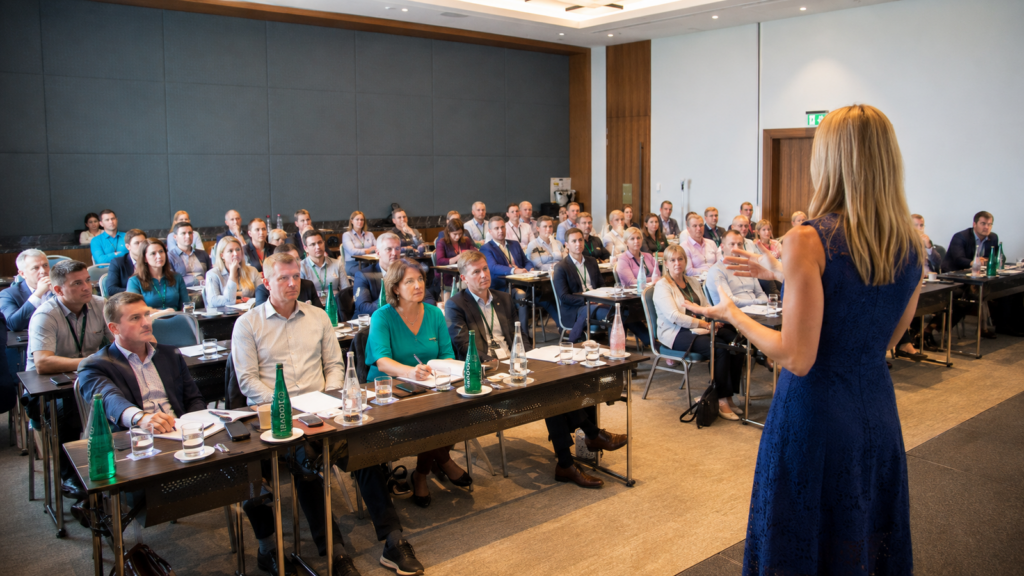
Participants learn by applying the ideas, not by listening to a day of theory.
A tailored session may include:

Understand the Context
- a short diagnostic or pre-program discussion
- practical models explained in plain language

Map the Decision
- stakeholder and decision-mapping activities
- examples drawn from the organisation’s environment

Prepare a Real Situation
- individual preparation around a real workplace situation
- small-group discussion and peer insight

Practise the Conversation
- practice conversations with realistic resistance

Specific Trainer Feedback
- facilitator observation and specific feedback
- time to revise the approach and practise again

Apply It Back at Work
- a personal action plan for an upcoming decision or conversation
Where confidentiality matters, realistic composite scenarios can be used instead of identifiable workplace cases.
How Your Influence Training Comes Together
1. Discuss the need
Tell us who the training is for, what they need to influence and what is getting in the way.
2. Shape the program
We recommend the right format, emphasis and trainer, then tailor the examples and activities to your organisation.
3. Deliver practical training
Participants work with realistic situations, practise key conversations and receive useful feedback.
4. Support workplace application
Participants leave with a clear approach they can use for an upcoming decision, recommendation or stakeholder conversation.
Why Organisations Choose WeTrain
Practical workplace training for Australian organisations since 1998.
- Practical from the outset
Participants work on situations that resemble their real workplace, with tools they can use immediately.
- Tailored to the audience
The program can reflect your sector, stakeholder environment, internal language, level of seniority and current priorities.
- The right trainer for the group
WeTrain draws from a national network of more than 75 specialist trainers. Trainer selection considers subject expertise, facilitation style, sector context and the needs of the participants.
- Quality supported by the WeTrain Institute
The WeTrain Institute supports trainer development and delivery quality so the learning experience remains practical, engaging and professionally facilitated.
- Experience at organisational scale
Since 1998, WeTrain has trained more than 100,000 people across Australian workplaces. We can support a single team, multiple cohorts or a coordinated national program.
- Flexible delivery
Choose on-site, off-site, live online or a blended approach. Programs can be adapted for metro, regional and dispersed teams.
Recognised Workplace Training
WeTrain’s work has received five industry awards:
Best Corporate Training Provider
APAC Insider 2026

Best Soft Skills Focused Corporate Training Provider
AI Global Media 2025

Best Bespoke Soft Skills Training Provider
Corporate Vision 2025
Business Training Service of the Year
Global Awards 2024/25
Best Corporate Training Provider
APAC Insider 2024
Frequently Asked Questions
Is influence training about manipulating people?
No. The program explicitly separates ethical influence from manipulation and pressure. Participants learn to understand stakeholder needs, communicate a credible case, invite genuine discussion and respect the other person’s responsibility to assess the proposal.
Can this program help people influence senior leaders?
Yes. The training can focus on influencing upwards, including how to prepare a concise recommendation, connect it to organisational priorities, anticipate executive questions and ask clearly for the required decision or next step. Tailoring is important because leadership expectations and governance differ between organisations.
Will participants work on real workplace situations?
Yes, where appropriate. Participants can use an upcoming recommendation, project, change or stakeholder conversation as the basis for mapping, preparation and practice. If the subject is sensitive, we can use anonymised or realistic composite scenarios.
Is this the same as negotiation or sales training?
No. Influence & Persuasion Training focuses on building support for an idea, recommendation or action. Negotiation focuses on reaching agreement where parties need to resolve terms or trade-offs. Sales training focuses on progressing a commercial customer decision. The skills can overlap, but the context and desired outcome are different.
Can you deliver the program across several Australian locations?
Yes. WeTrain can coordinate on-site delivery across metro and regional locations, live online training for dispersed teams, or a blended national rollout. We can maintain a consistent core program while adapting scenarios for different roles, sites or business units.
Help Your People Build Support for Good Decisions
Tell us what your team needs to influence, who the key stakeholders are and where conversations are currently getting stuck. We will help you shape a practical program for your organisation.
Australia-wide delivery | On-site and live online | Tailored to your workplace